Fort King George State Historic Site
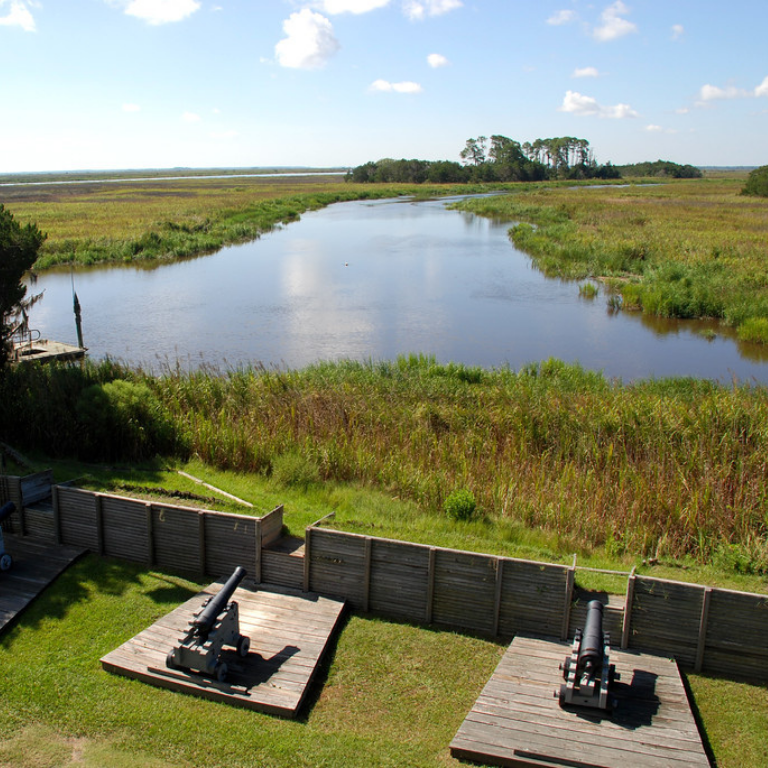
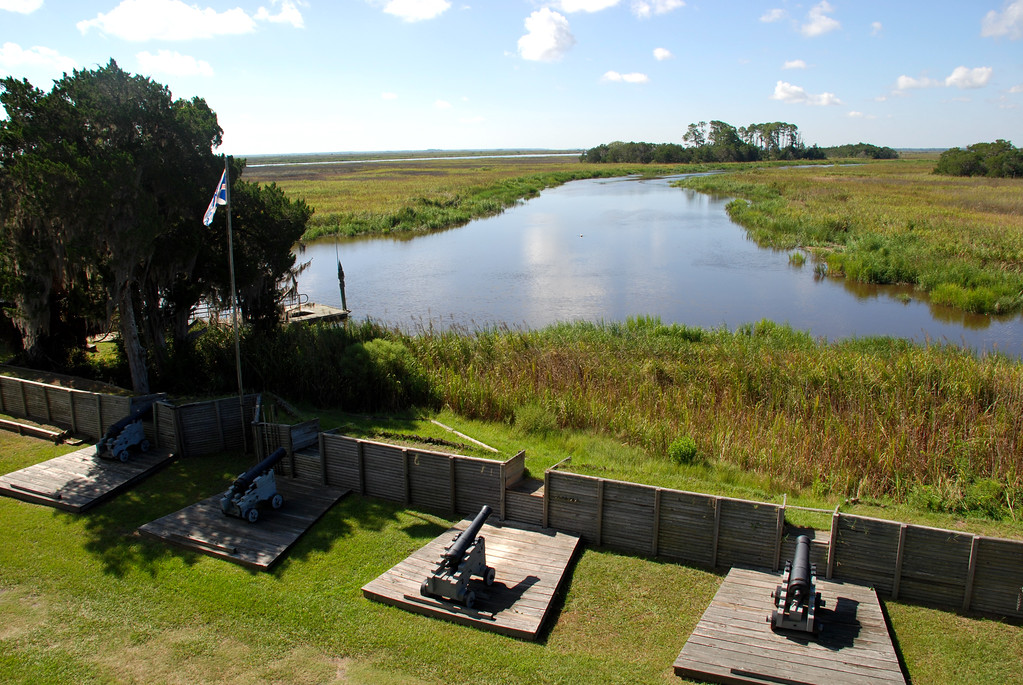
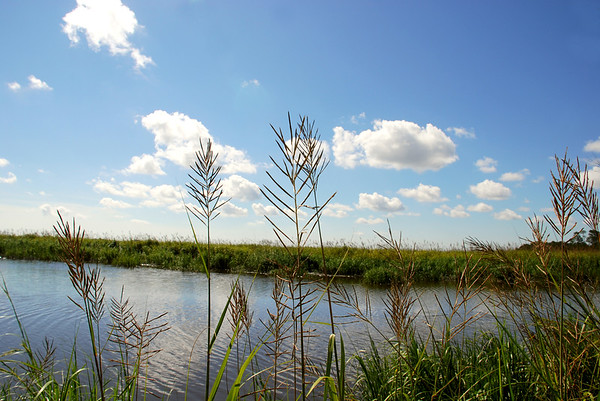
Fort King George sits on the saltmarsh overlooking the scenic and wild Altamaha River delta. To the east, the fresh water of the Altamaha River meets the salty Atlantic ocean, creating a brackish and biodiverse estuary home to numerous species of fishes, birds, invertebrates, and plants. This area is especially critical to shorebirds and is designated as a Western Hemisphere Shorebird Reserve Network site. Diverse waterfowl are also numerous in winter at the nearby Altamaha Waterfowl Management Area.



About This Site
Hours
Location
302 McIntosh Road SE, Darien, GA 31305

Amenities
| Amenity | Available |
|---|---|
| Admission Fee | ✓ |
| Lodging | ✕ |
| Visitor or Nature Center | ✓ |
| Restrooms | ✓ |
| Drinking Fountain or Potable Water | ✓ |
| Trails | ✓ |
| Boardwalk | ✓ |
| Camping | ✕ |
| RV Hookups | ✕ |
| Picnic Area | ✓ |
| Kayaking or Canoeing | ✕ |
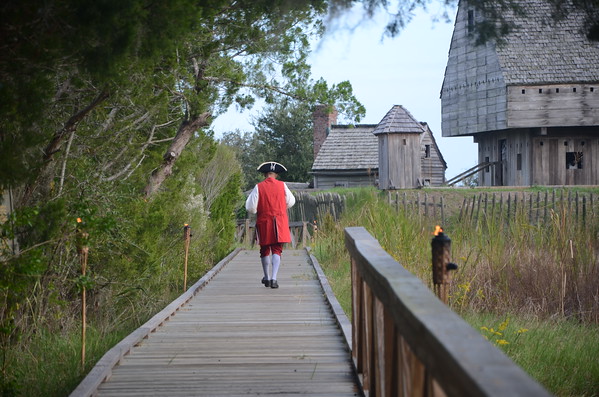
Fort King George is the oldest English fort remaining on Georgia’s coast, in Darien. It was the first English fortification on the coast of what is now Georgia. From 1721 to 1727, Fort King George served as the southernmost outpost of the British Empire in North America. A cypress blockhouse, barracks and palisaded earthen fort were constructed in 1721 by scoutmen led by Colonel John “Tuscarora Jack” Barnwell. For the next seven years, His Majesty’s Independent Company garrisoned the fort. They endured incredible hardships from disease, threats of Spanish and Indian attacks, and the harsh, unfamiliar coastal environment. After the fort was abandoned, General James Oglethorpe brought Scottish Highlanders to the site in 1736. The settlement, called Darien, eventually became a foremost export center of lumber until 1925.
Featured Birds
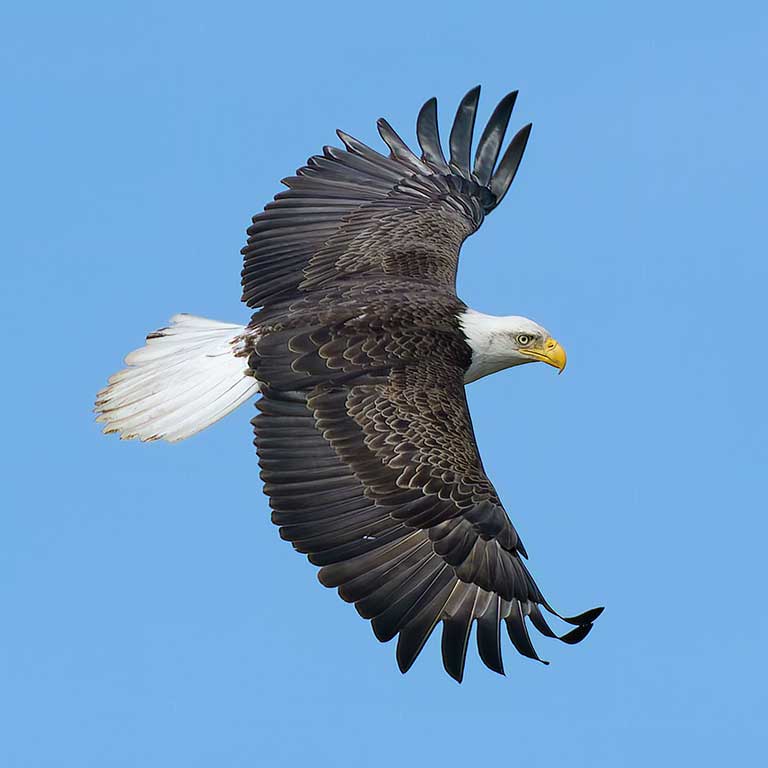 Bald Eagle
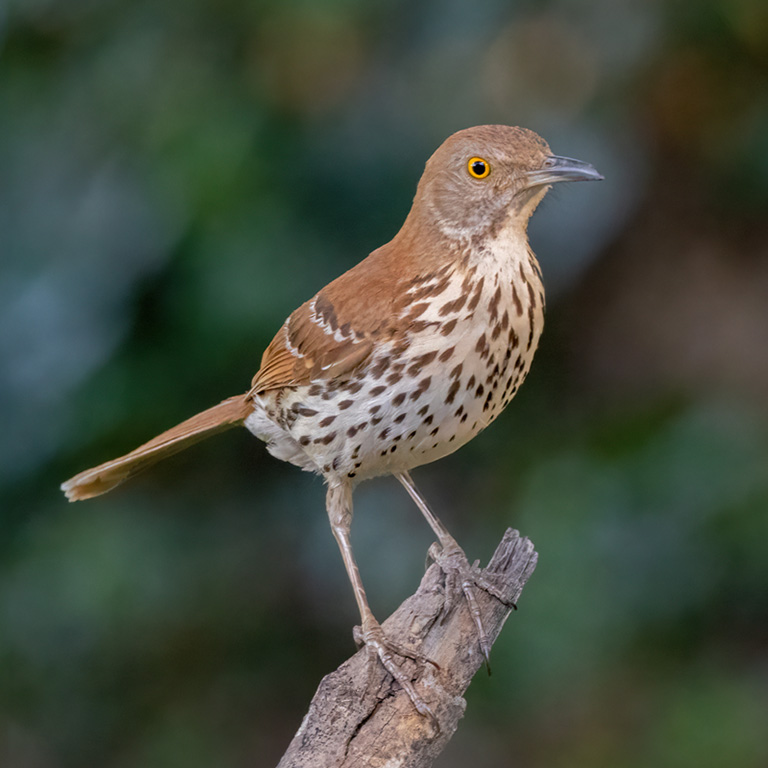 Brown Thrasher
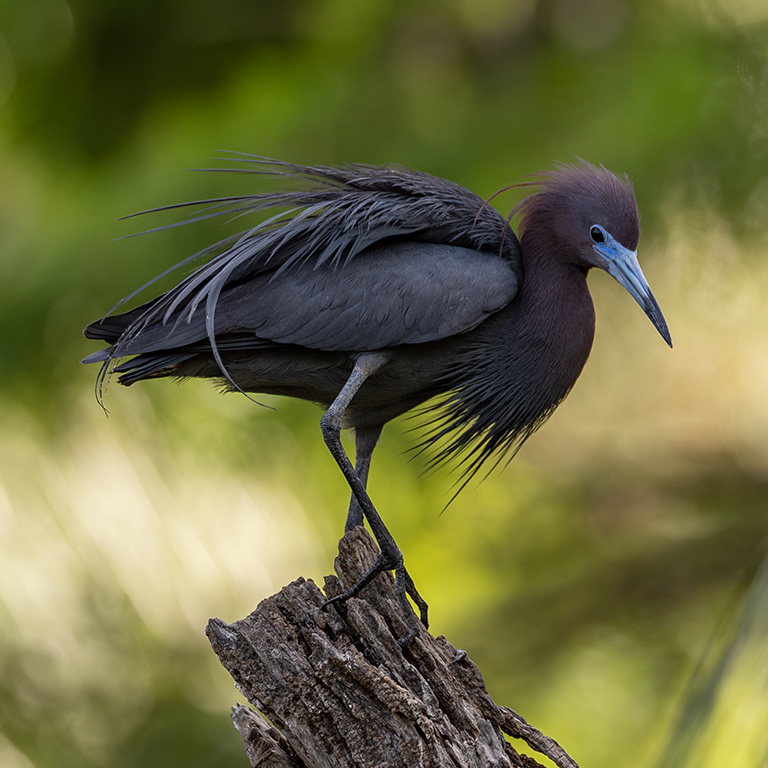 Little Blue Heron
Using old records and drawings, this 18th century frontier fortification on the Altamaha River has been reconstructed for public tours. A museum and film cover the Guale Indians, the Santo Domingo de Talaje Mission, Fort King George, the Scots of Darien, and 19th century sawmilling when Darien became a major seaport. In addition to the many fort buildings, remains of three sawmills and tabby ruins are still visible.
Photo Gallery
This Birding Site Sponsored By

Dover is a diversified global manufacturer that delivers innovative equipment and components, consumable supplies, aftermarket parts, software and digital solutions and support services.