
Ocmulgee Mounds National Historical Park
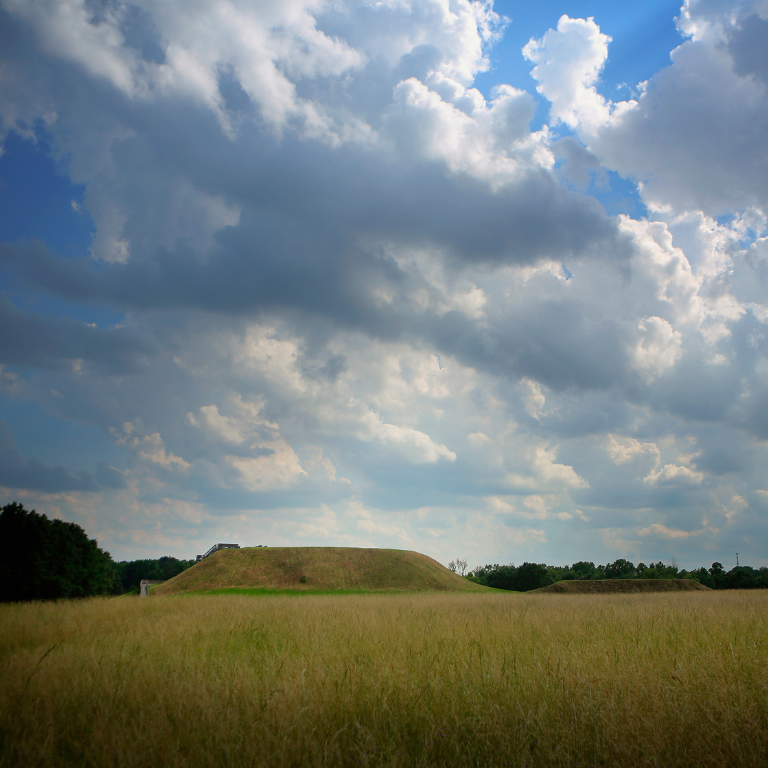
Ocmulgee Mounds National Historical Park has an astonishing depth to its history. The land here has been occupied for more than 12,000 years by various cultures, including many different American Indian cultures. The site preserves approximately 3,336 acres and encompasses many natural features and ecosystems. This includes fields and forests, as well as wetlands along Walnut Creek and the Ocmulgee River. These diverse natural resources and habitats are utilized by a variety of wildlife, including several endangered and threatened species.





About This Site
Hours

Amenities
| Amenity | Available |
|---|---|
| Admission Fee | ✕ |
| Lodging | ✕ |
| Visitor or Nature Center | ✓ |
| Restrooms | ✓ |
| Drinking Fountain or Potable Water | ✓ |
| Trails | ✓ |
| Boardwalk | ✕ |
| Camping | ✕ |
| RV Hookups | ✕ |
| Picnic Area | ✓ |
| Kayaking or Canoeing | ✕ |
The City of Macon is situated along Georgia’s Fall Line, where the Upper Coastal Plain and Piedmont overlap. This overlap provides a unique opportunity to experience both ecoregions at once, and provides excellent wildlife habitat and viewing opportunities. More than 200 species of birds and 400 species of plants have been spotted here, along with other wildlife such as alligators, deer, amphibians, reptiles, and fish.
Featured Birds
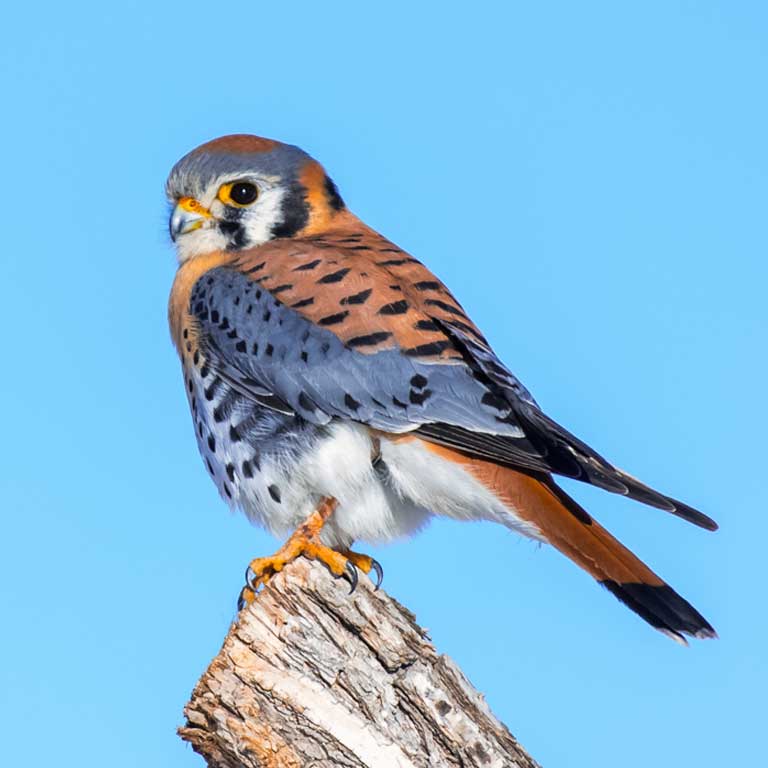 American Kestrel
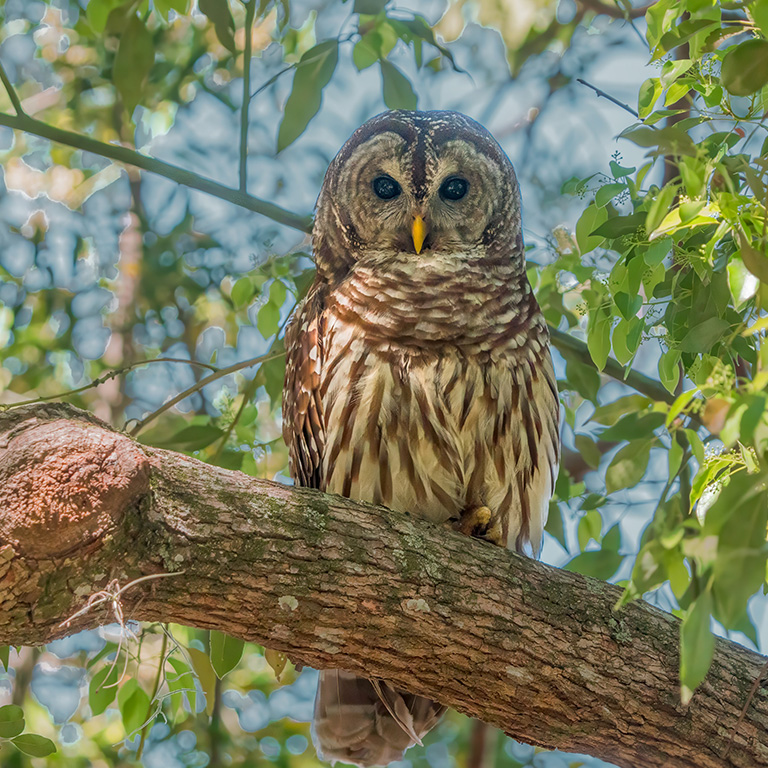 Barred Owl
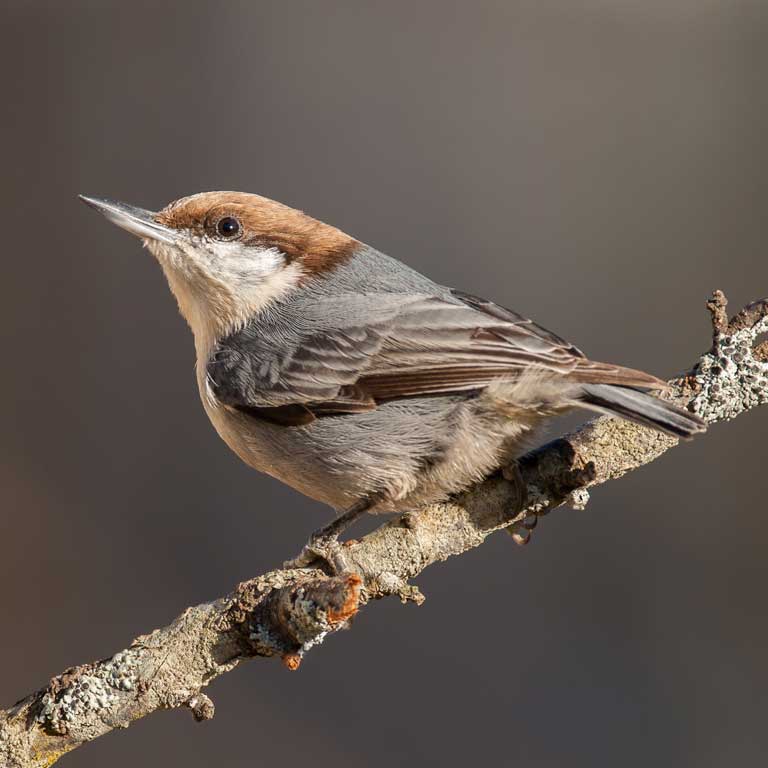 Brown-headed Nuthatch
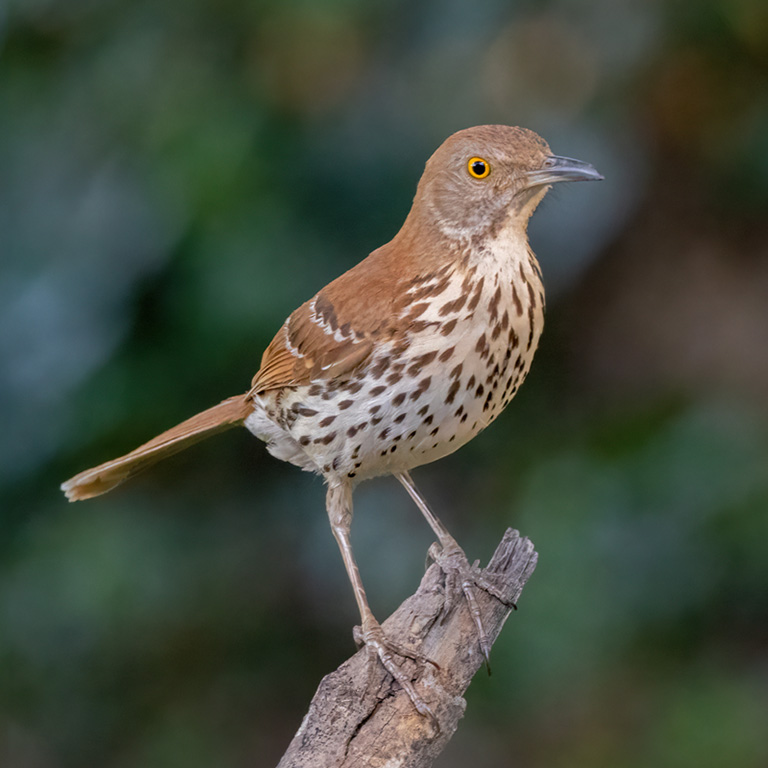 Brown Thrasher
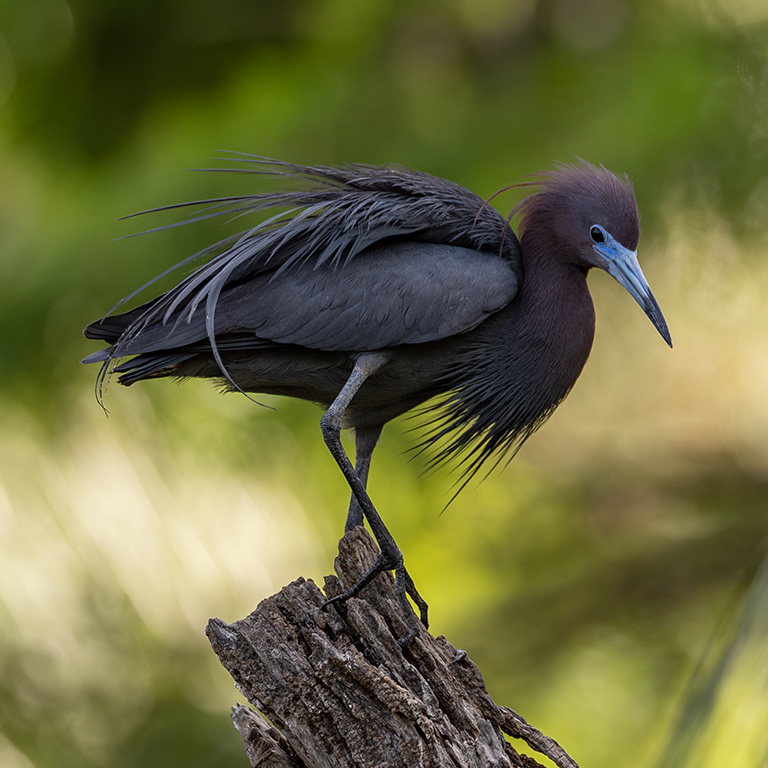 Little Blue Heron
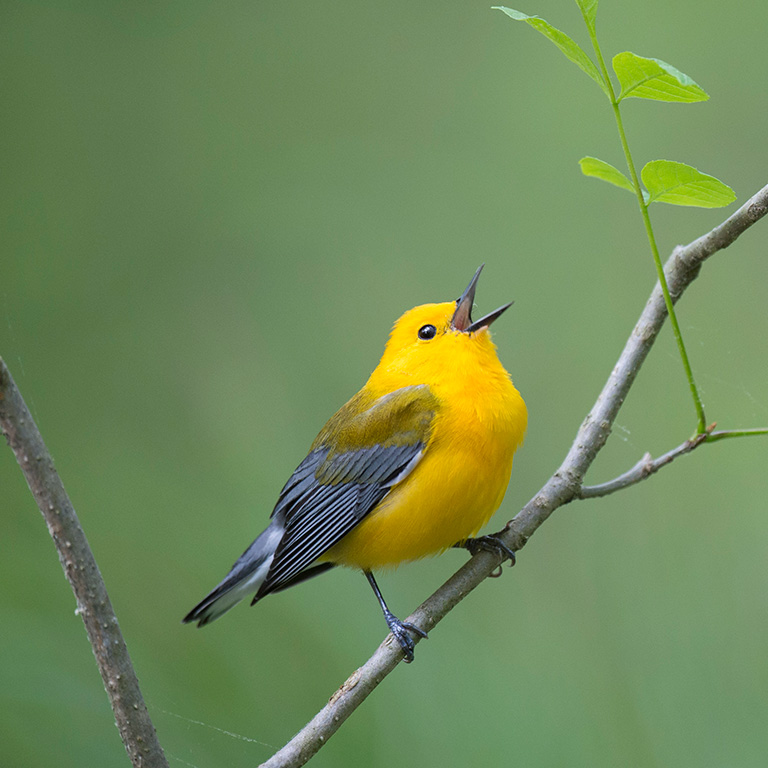 Prothonotary Warbler
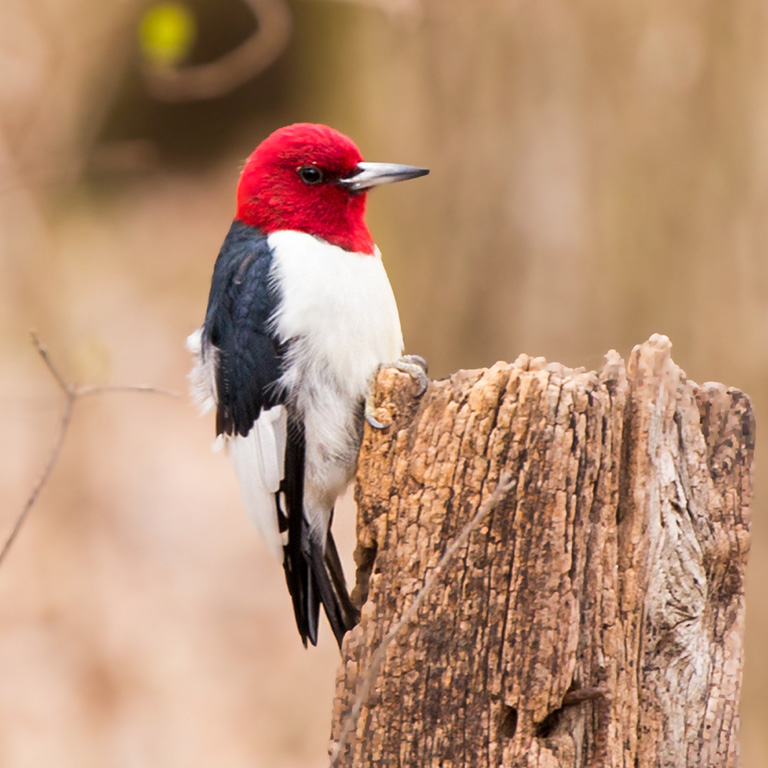 Red-headed Woodpecker
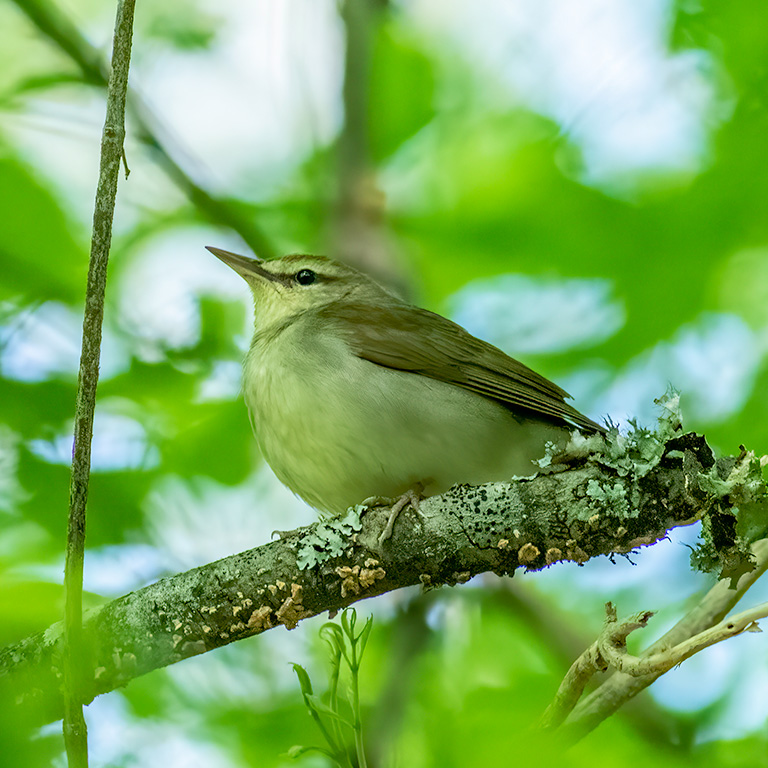 Swainson's Warbler
 Wood Duck
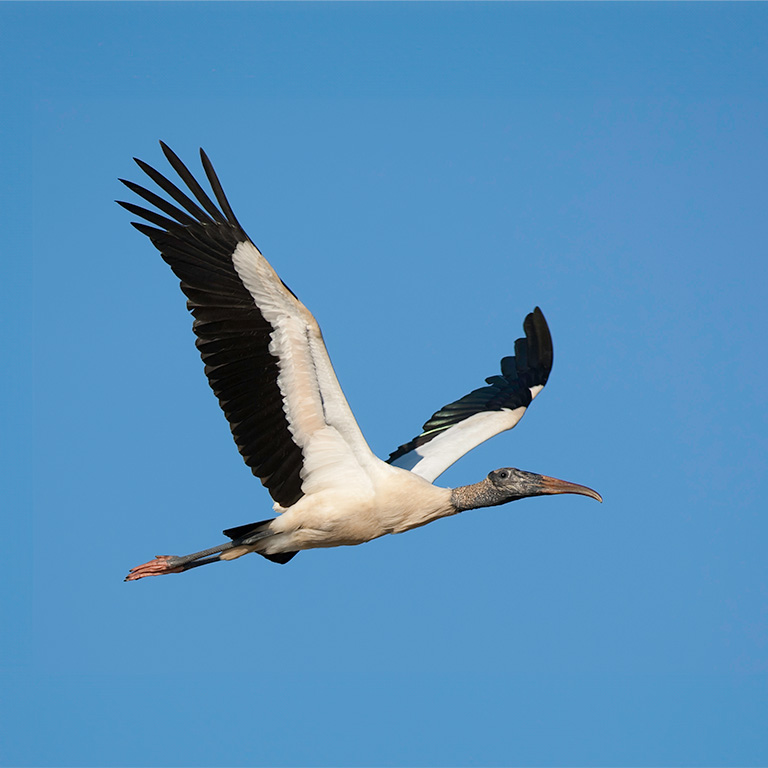 Wood Stork
Photo Gallery
This Birding Site Sponsored By

Dover is a diversified global manufacturer that delivers innovative equipment and components, consumable supplies, aftermarket parts, software and digital solutions and support services.