Upper Coastal Plain
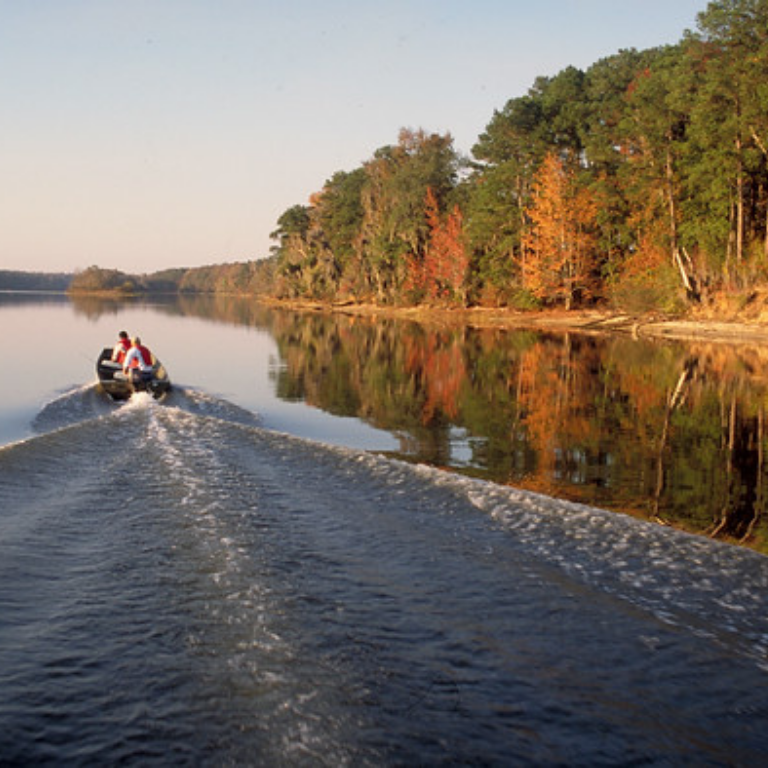
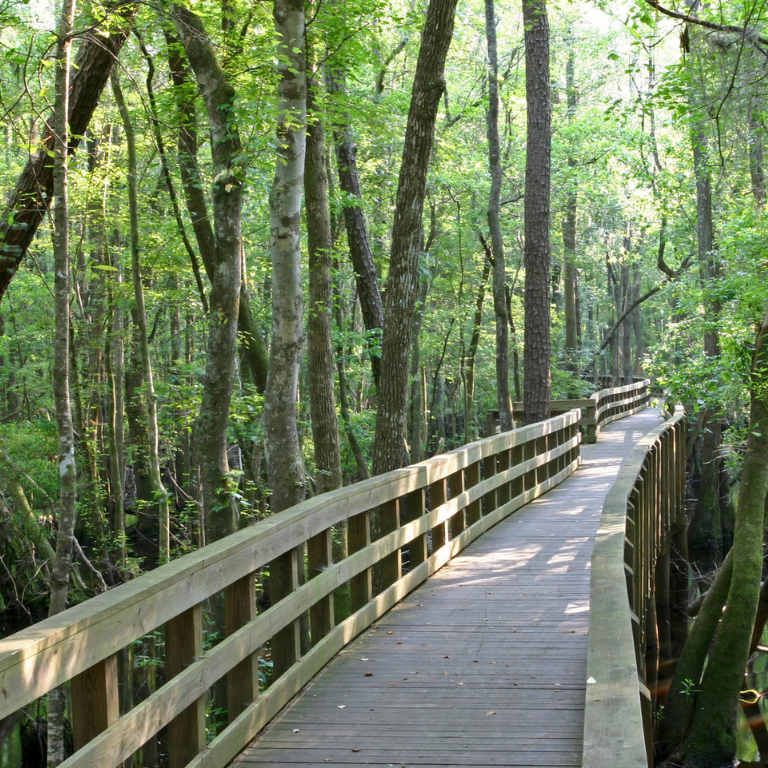
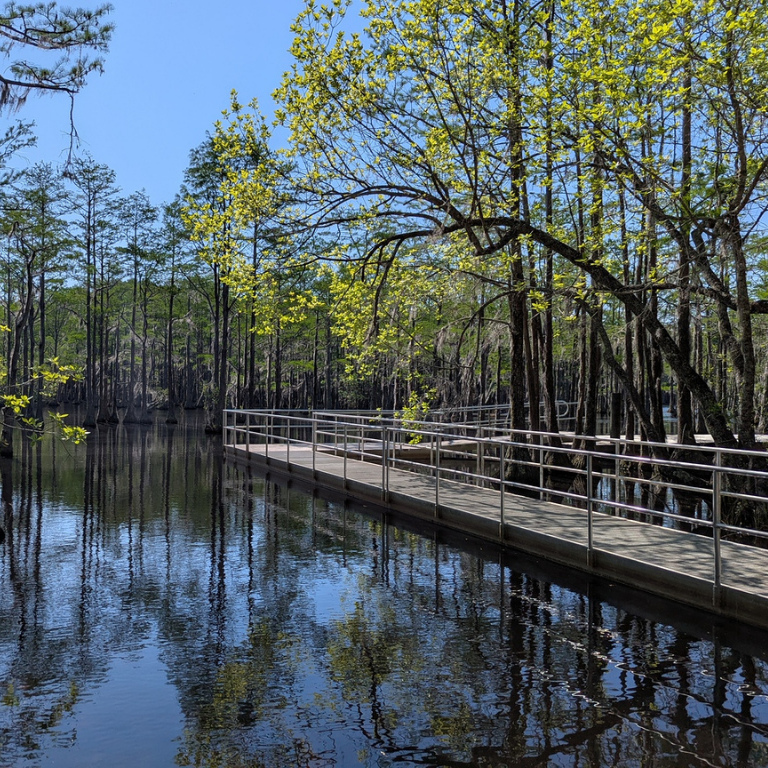
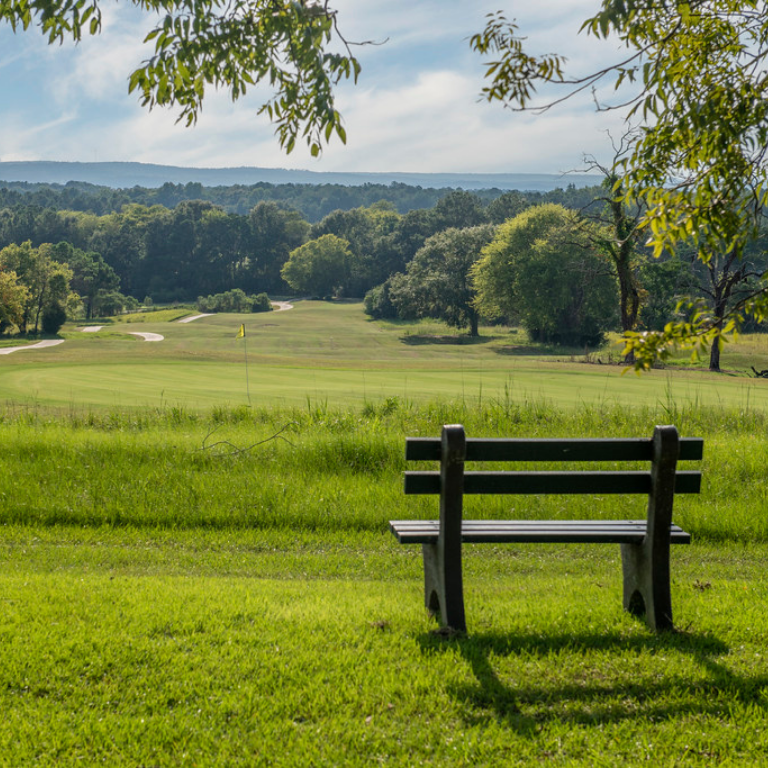
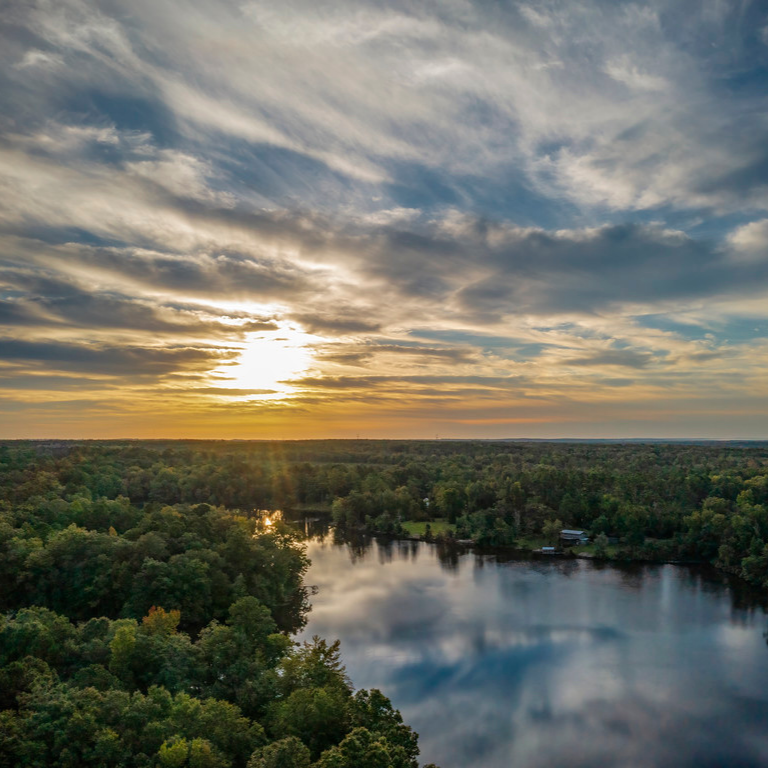
Georgia’s Upper Coastal Plain is the low-lying, flat region that stretches seaward from the edge of the Piedmont along the Fall Line near Macon, Augusta, and Columbus to the lower coastal plain and coastal zone.
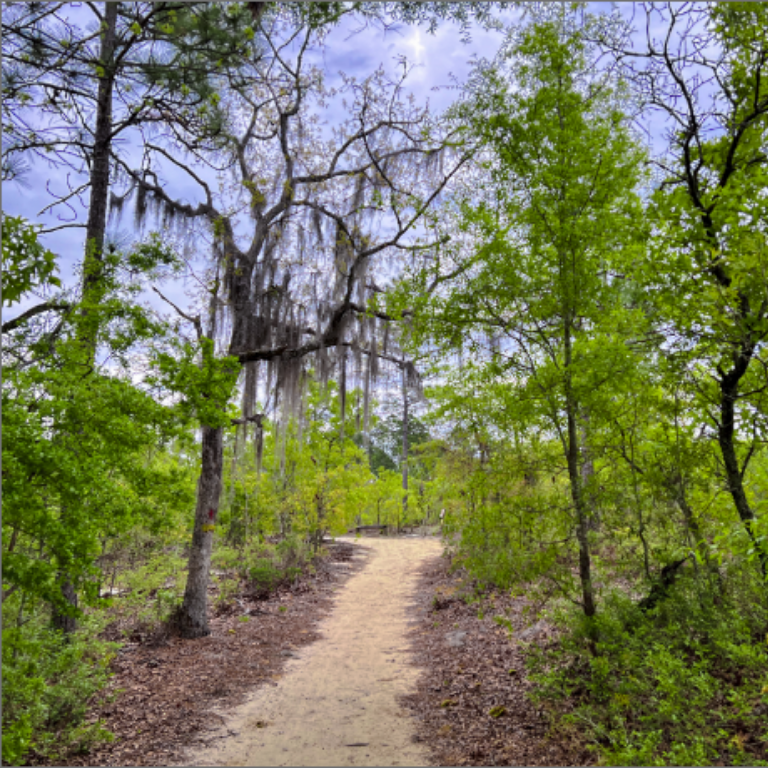
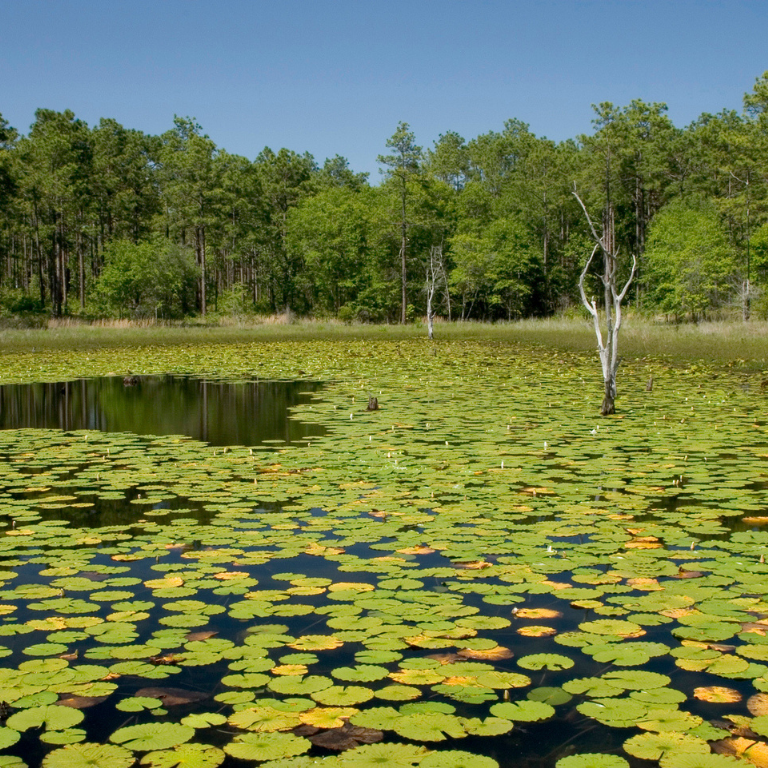
It is characterized by sandy soils and agricultural production of peanuts, pecans, and peaches. Vast forests of Loblolly and Slash Pine cover this region. Many are commercially managed timber operations rather than old-growth Longleaf Pine ecosystems, which now covers less than one percent of its original range across the southeast. Fire plays an important role in maintaining these habitats, to keep the understory open for species like Gopher Tortoise and Eastern Indigo Snakes who thrive in the sunny sandhills.
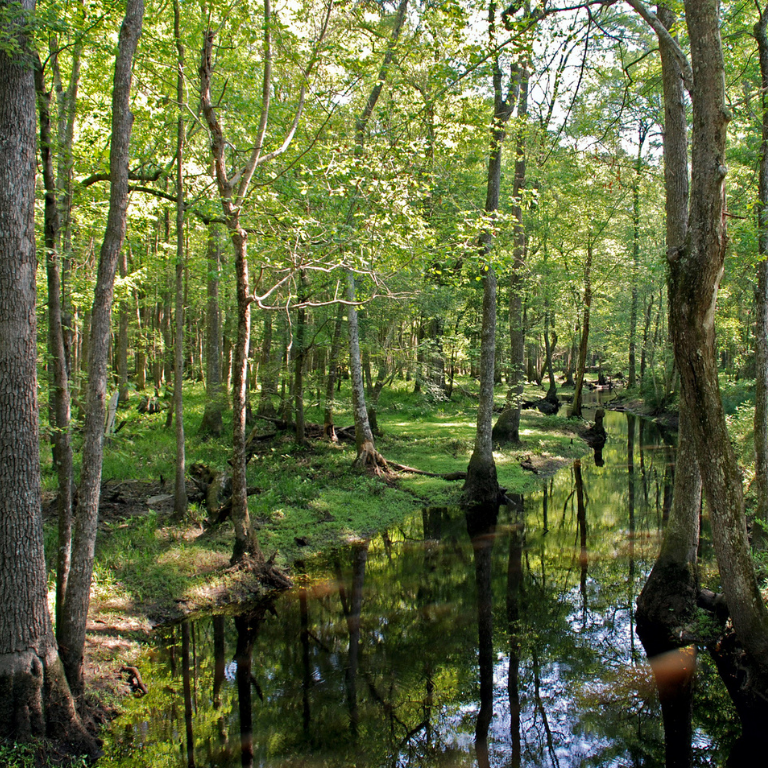
As rivers like the Chattahoochee, Ocmulgee, and Savannah cross the Fall Line threshold, the sudden decline in elevation forms rapids and waterfalls. You can see these falls at sites like Indian Springs and High Falls State Parks.
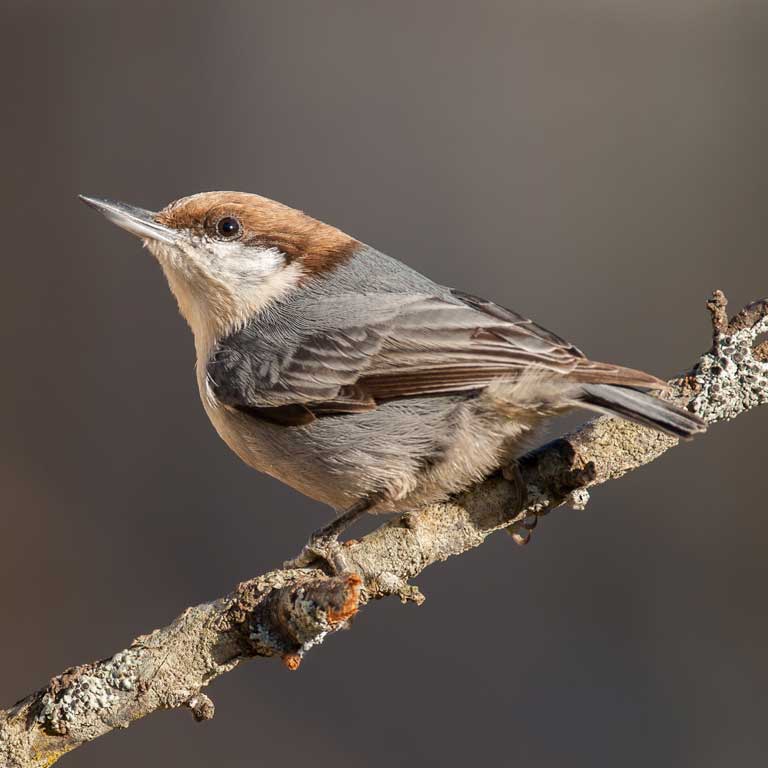
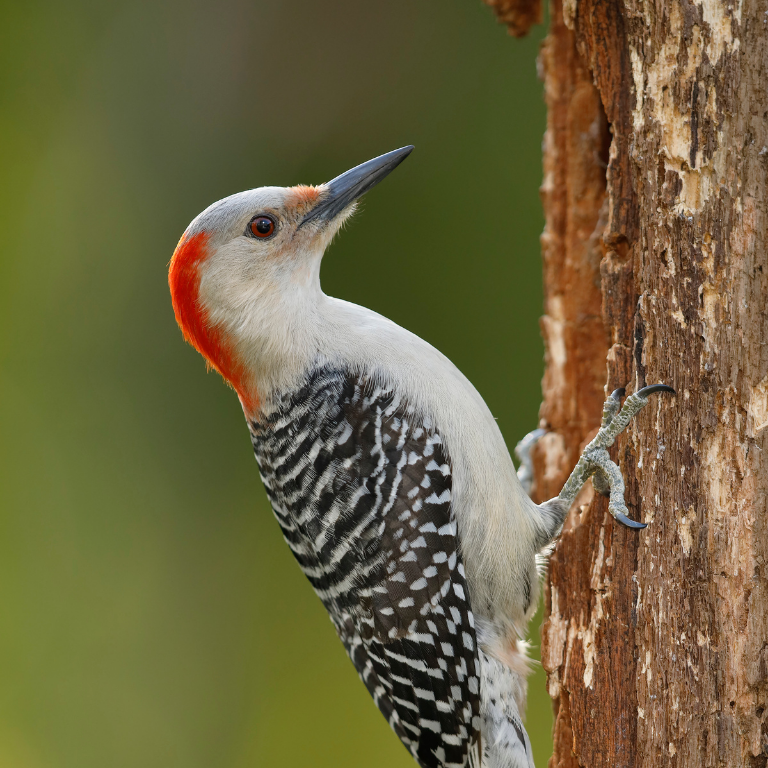
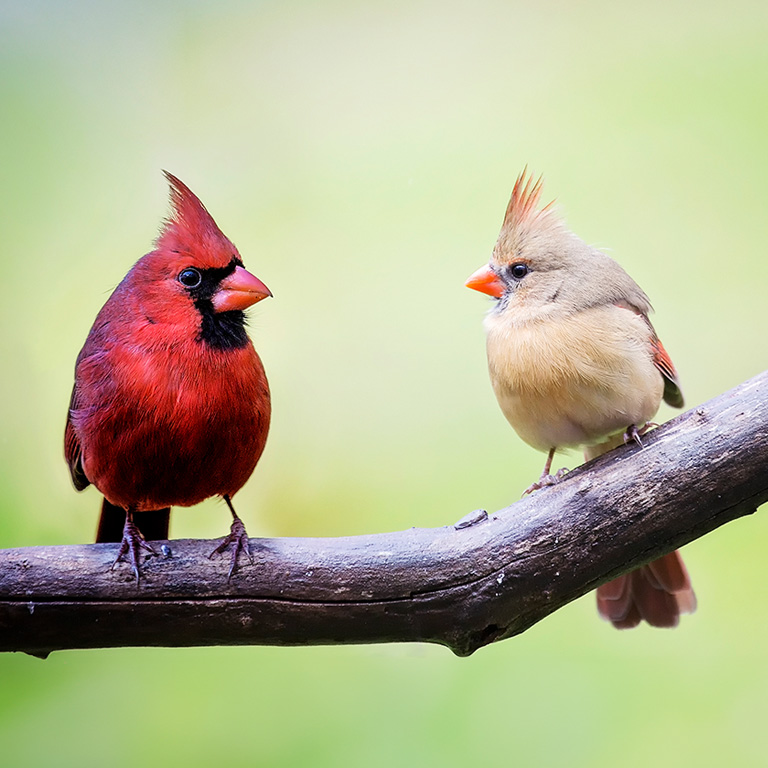
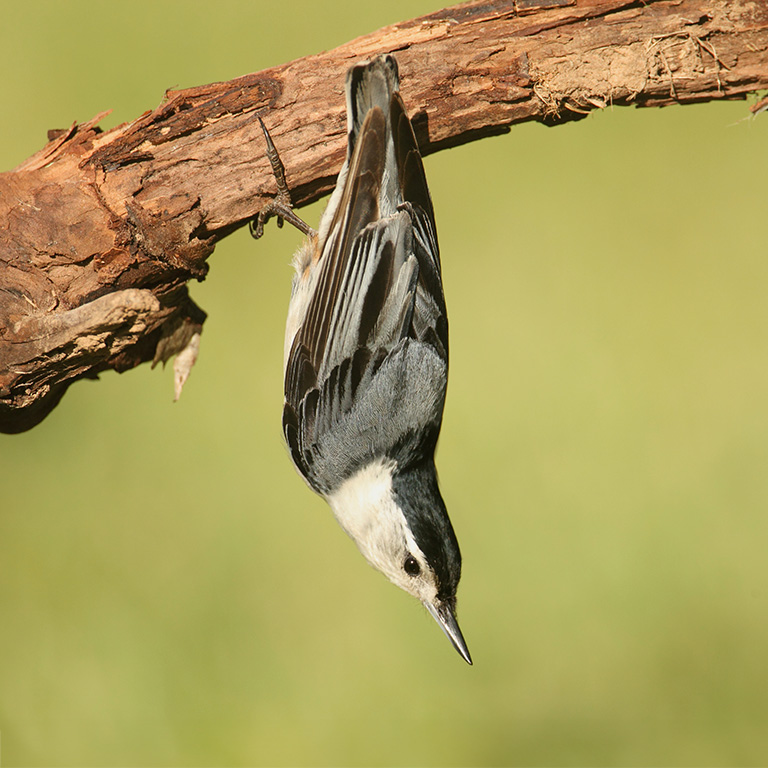
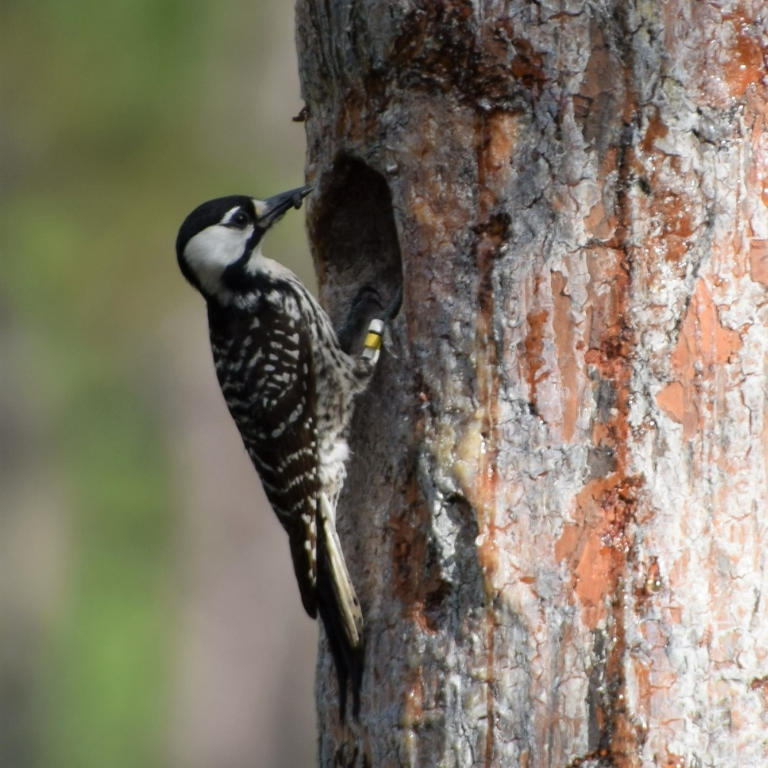
Columbus, Macon, and Augusta are three major cities located along the Fall Line and Upper Coastal Plain. Areas of interest in the Upper Coastal Plain include the Red Hills region in southwestern Georgia, where Longleaf pine forests and vast expanses of wiregrass grow on rolling hills of red clay soil and provide excellent birding year-round. You’re likely to see Red-cockaded Woodpecker, Northern Bobwhite, Brown-headed Nuthatch, and Bachman’s Sparrow in this region.
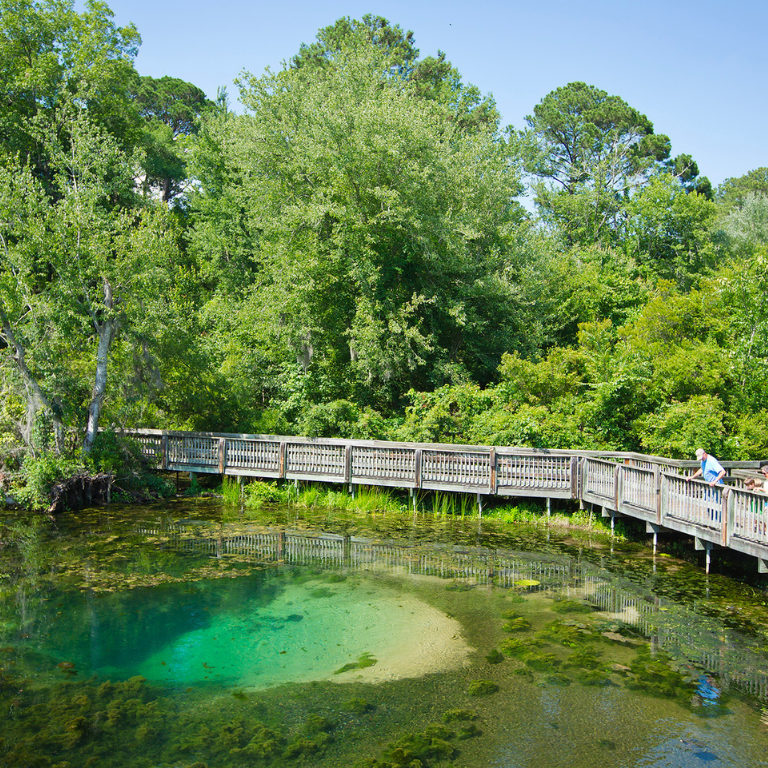
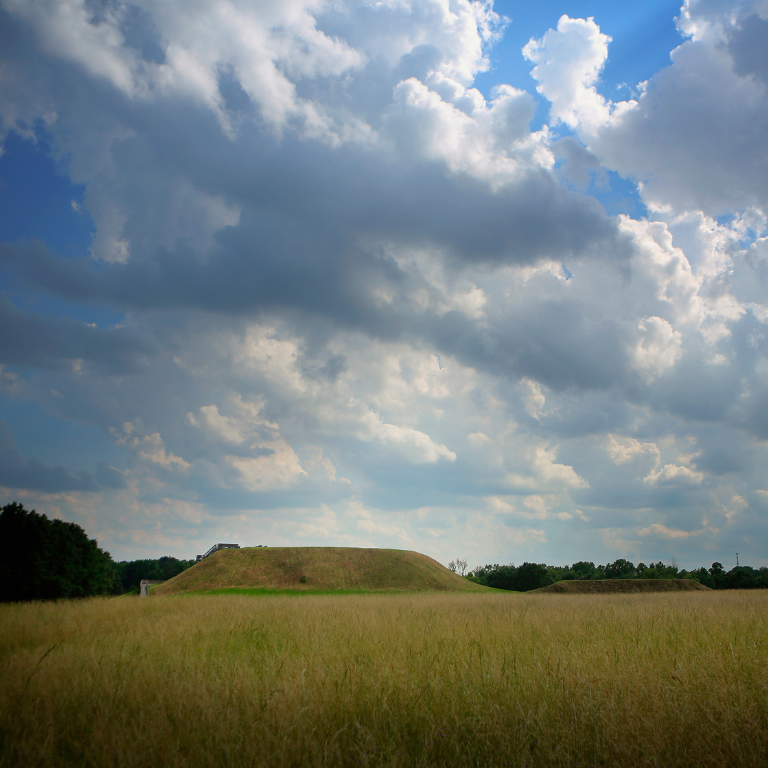
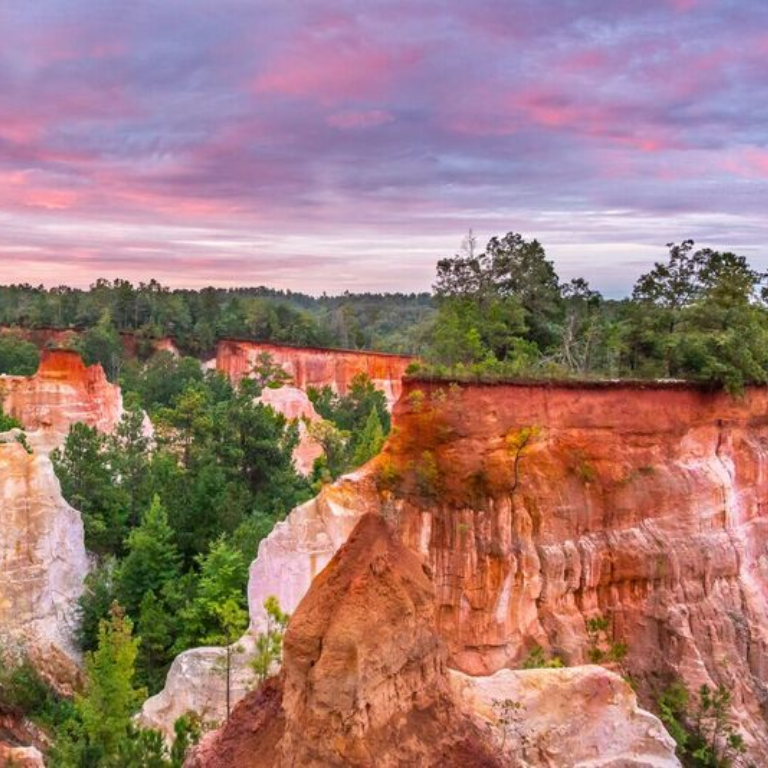
Top must-visit sites in this region include Ocmulgee Mounds National Historic Park in Macon, Phinizy Swamp Nature Park in Augusta, Providence Canyon State Park in Lumpkin, and the Standing Boy Creek Wildlife Management Area in Columbus. Unique sites such as the Ohoopee Dunes Wildlife Management Area in Swainsboro contain rare species and sensitive habitats associated with the Ohoopee River dune system. Here, you may find breeding Prothonotary Warbler, Acadian Flycatcher, Yellow-billed Cuckoo, and Brown-headed Nuthatch along with endemic wildlife found nowhere else, like the Ohoopee Dunes Moth and Scarab Beetle.