Piedmont
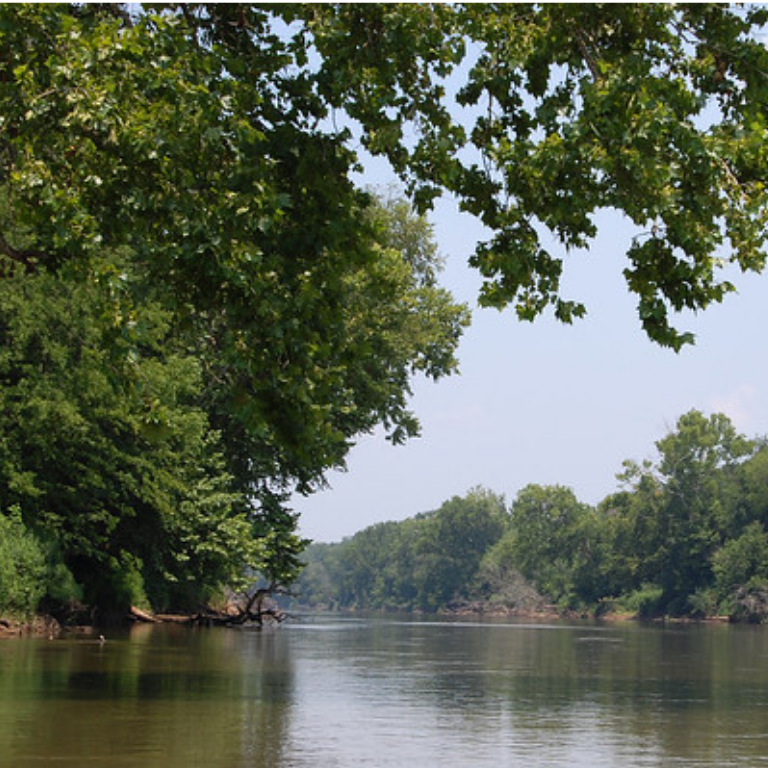
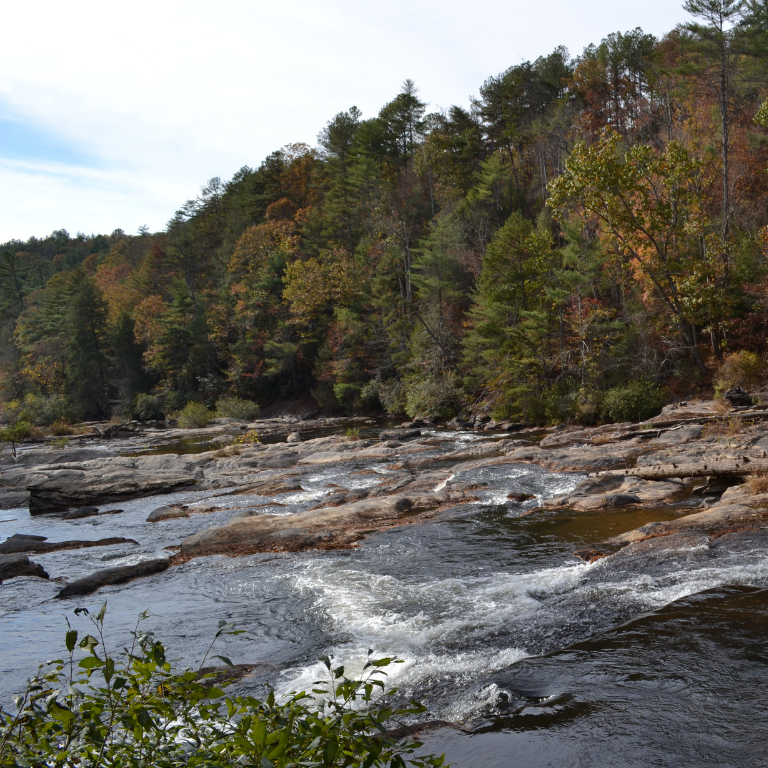
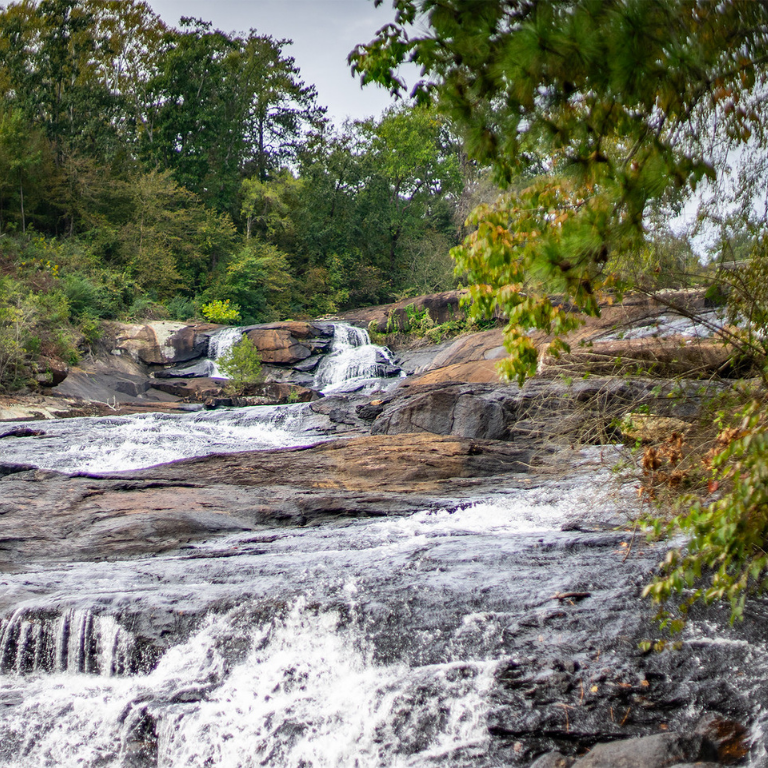
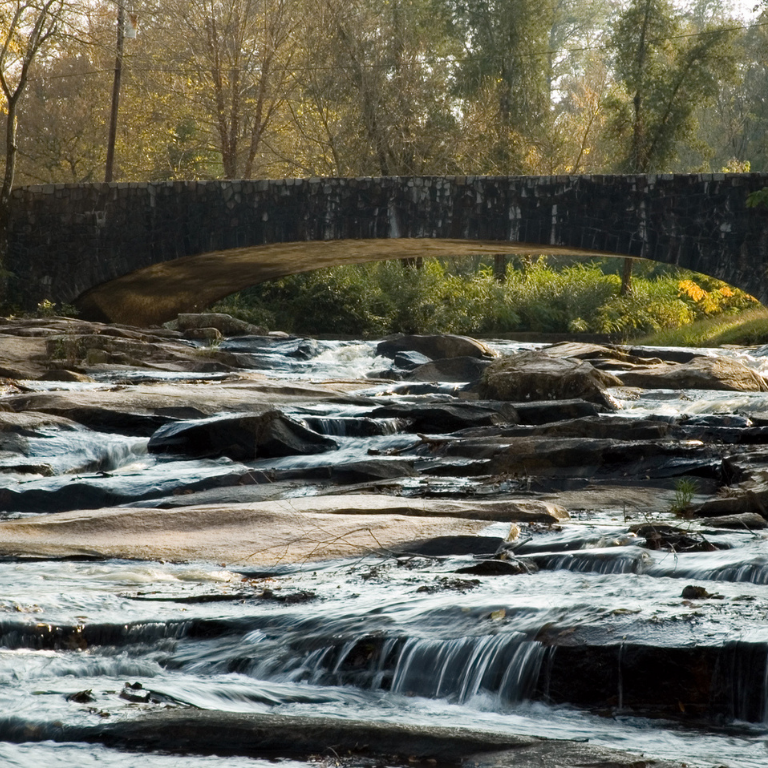
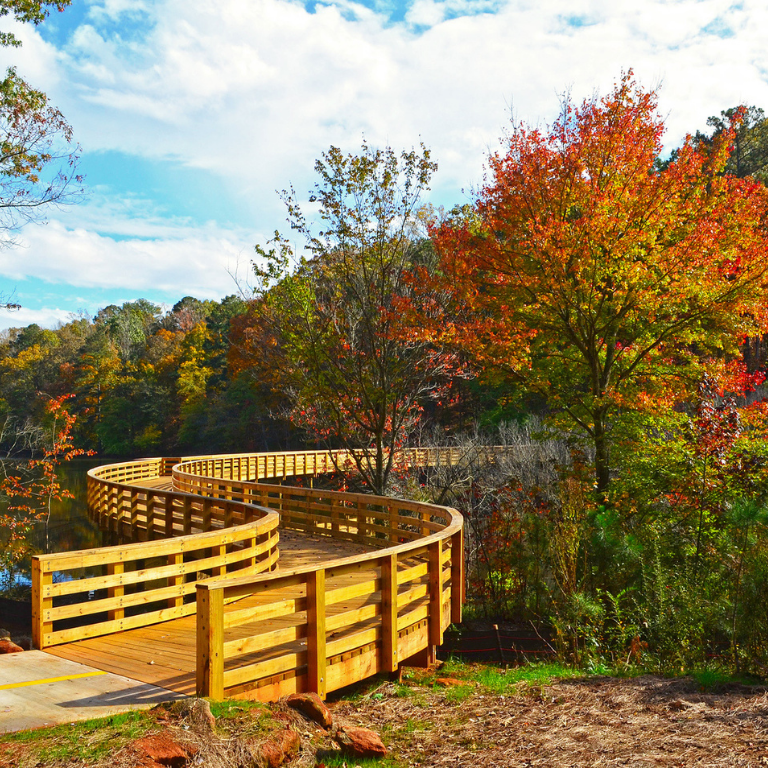
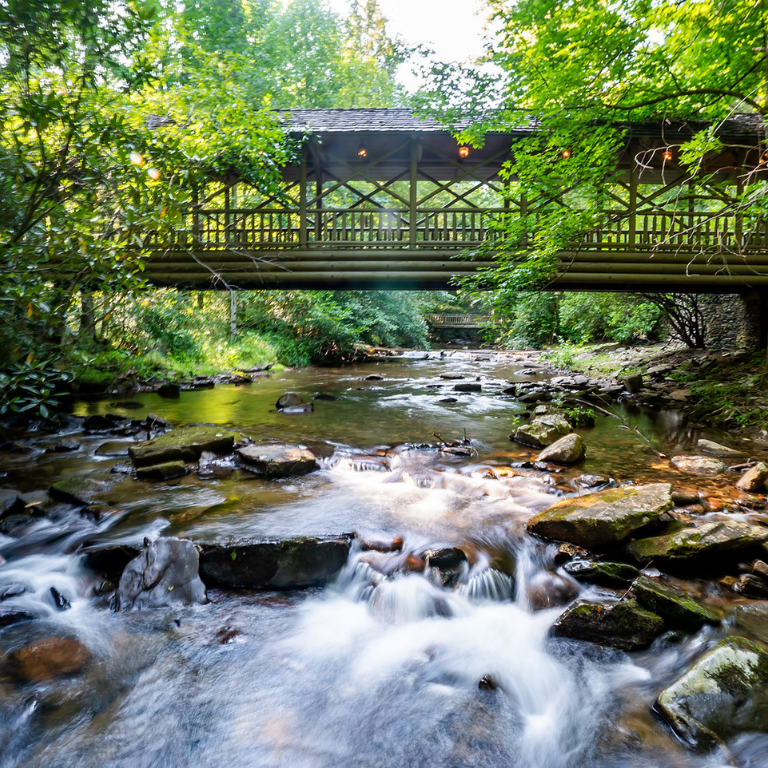
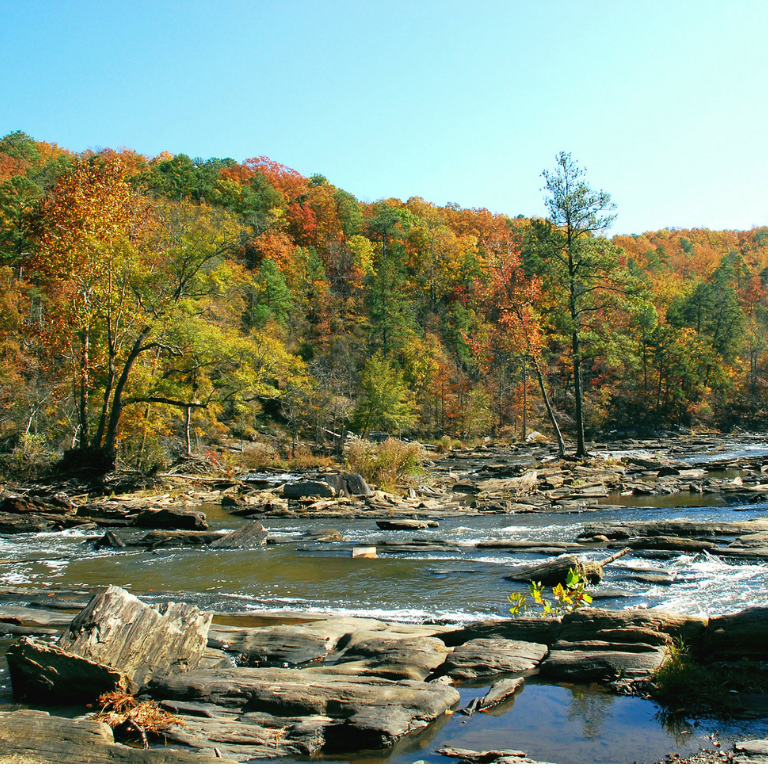
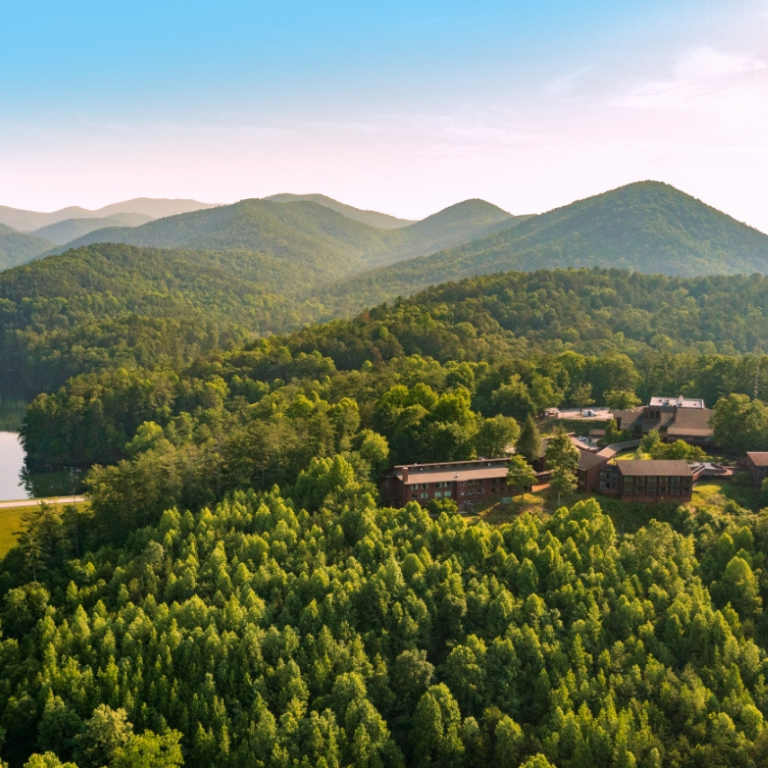
Georgia’s Piedmont is characterized by rolling hills, shallow valleys, and is located between the Blue Ridge Mountains to the north and the Coastal Plain to the south. It is the most populated of the ecoregions, with the capital, Atlanta, and the surrounding metropolitan area being home to approximately 6.4 million people.
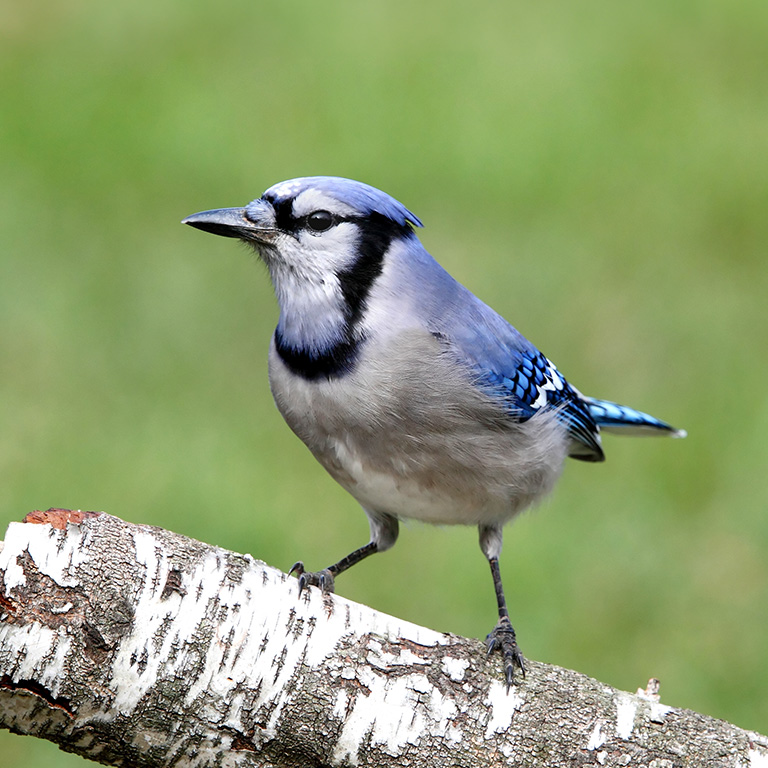
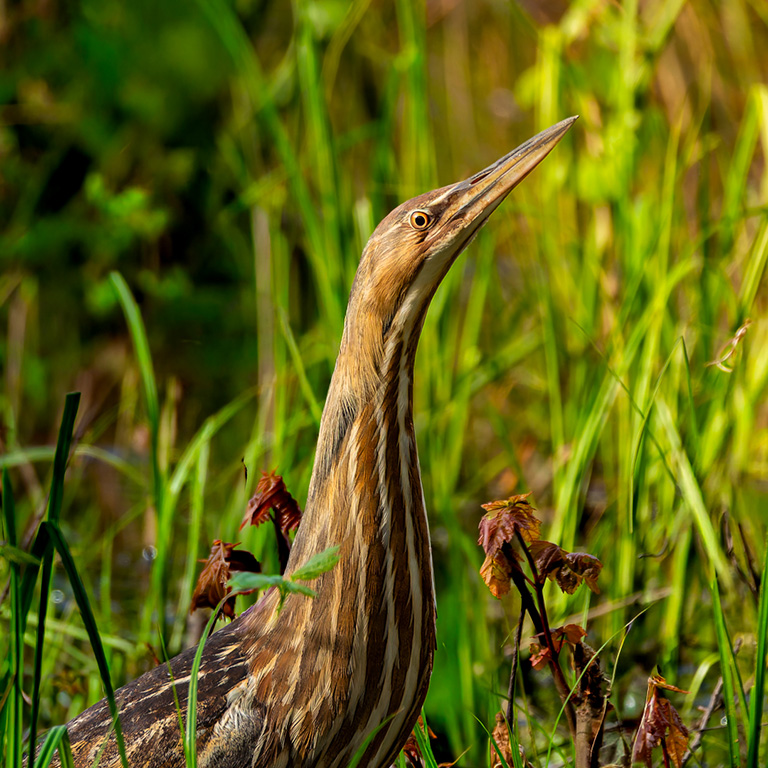
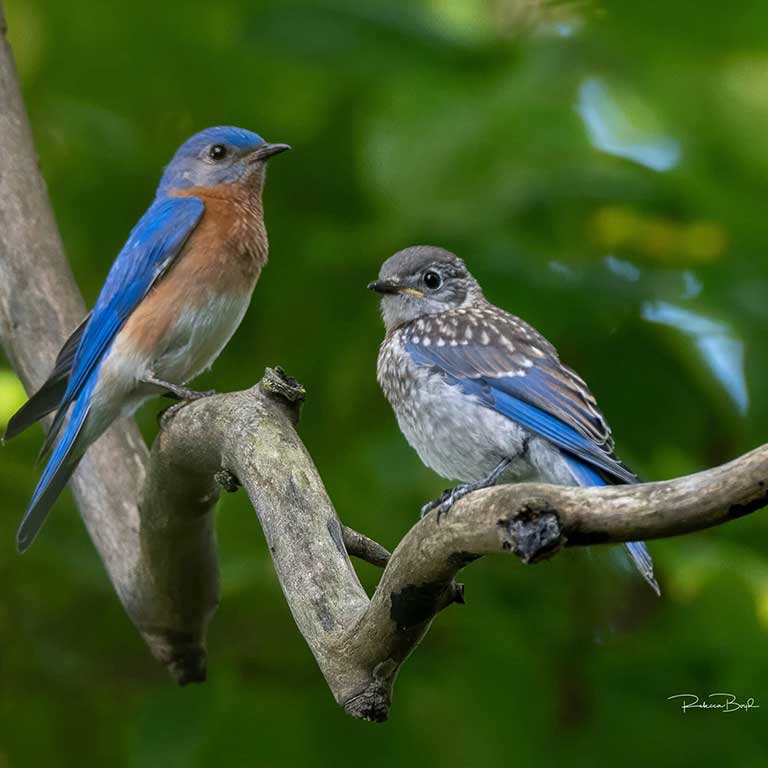
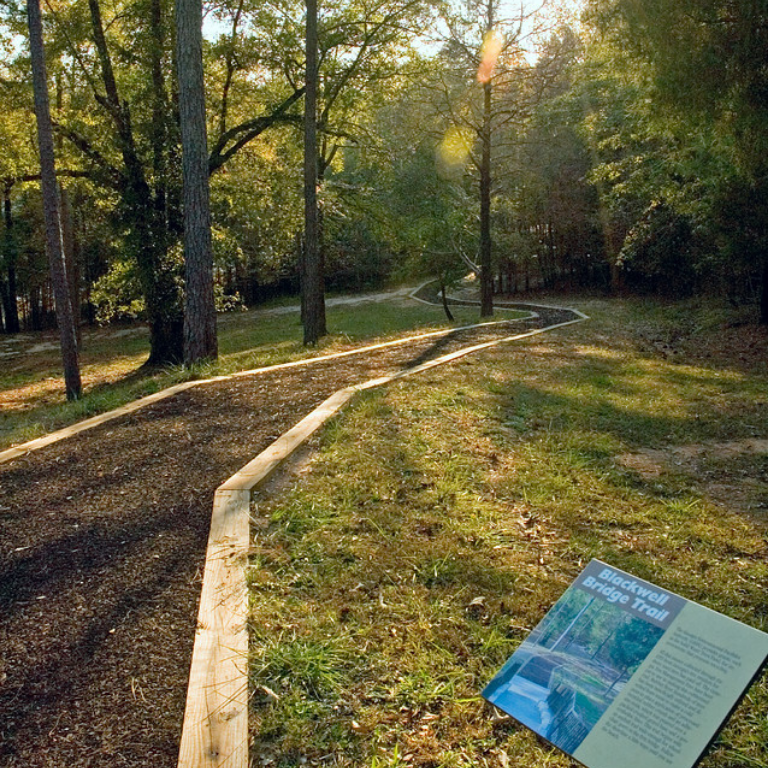
No matter your birdwatching experience and skill, sites across the Piedmont offer diverse habitats and birding, as well as excellent engagement and education opportunities. Many of the sites featured on the Georgia Birding Trail offer environmental education programming and guided experiences to provide you guidance as you stretch your wings!
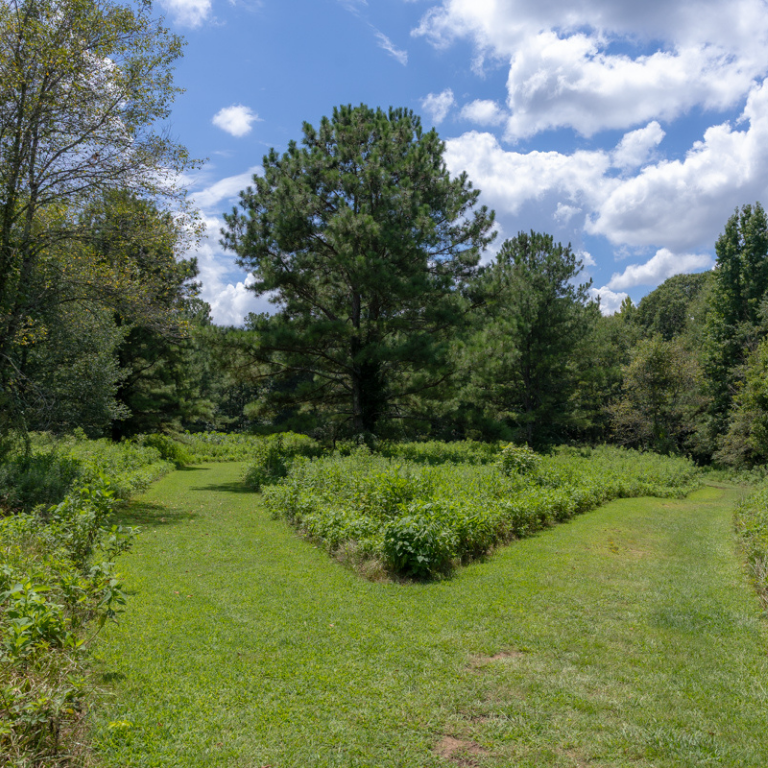
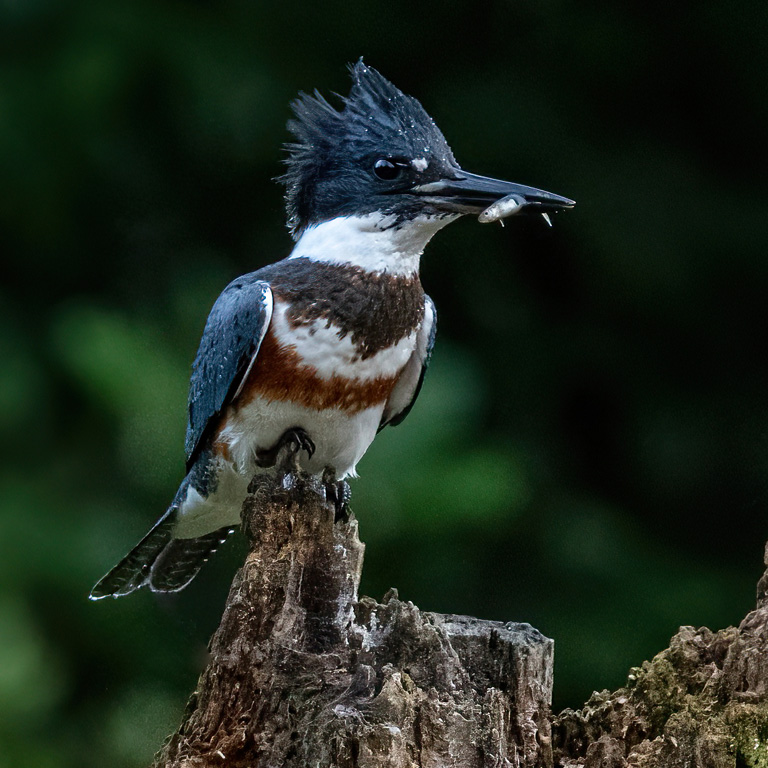
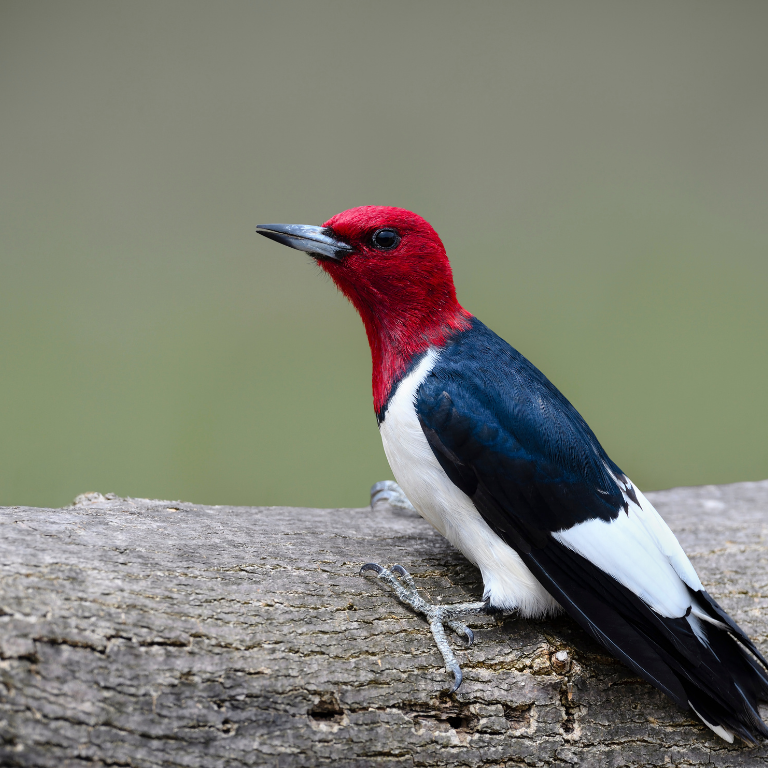
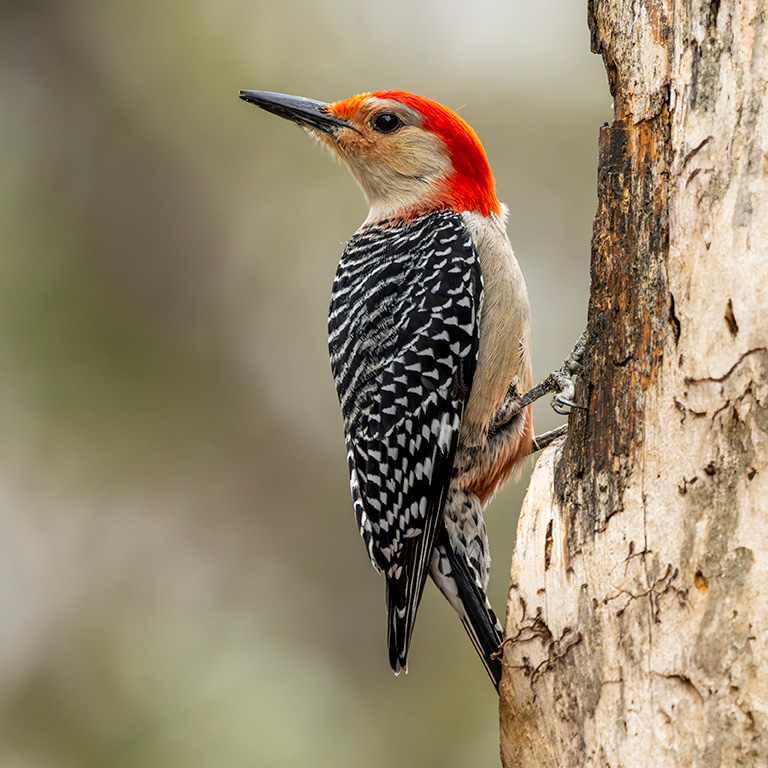
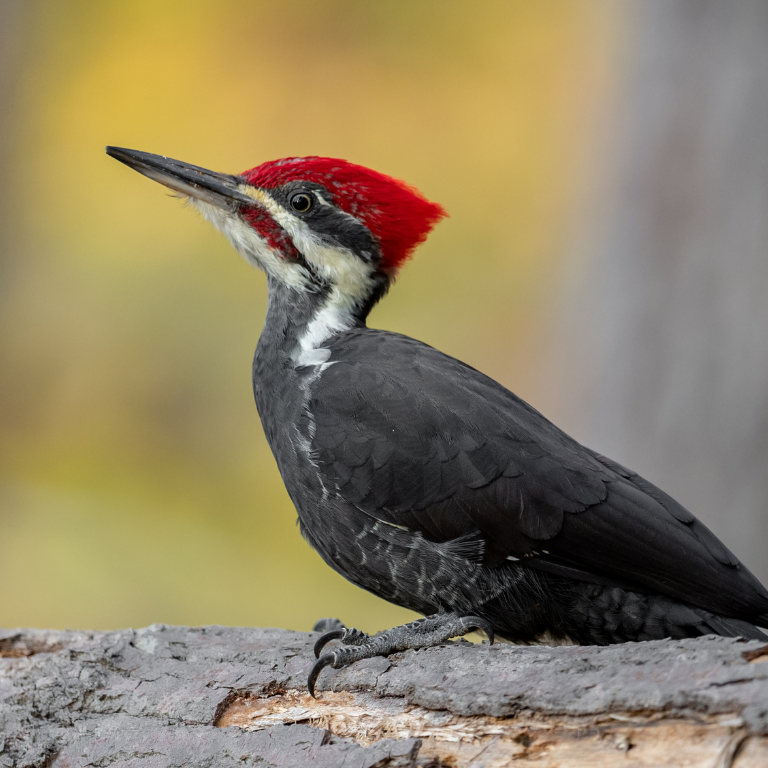
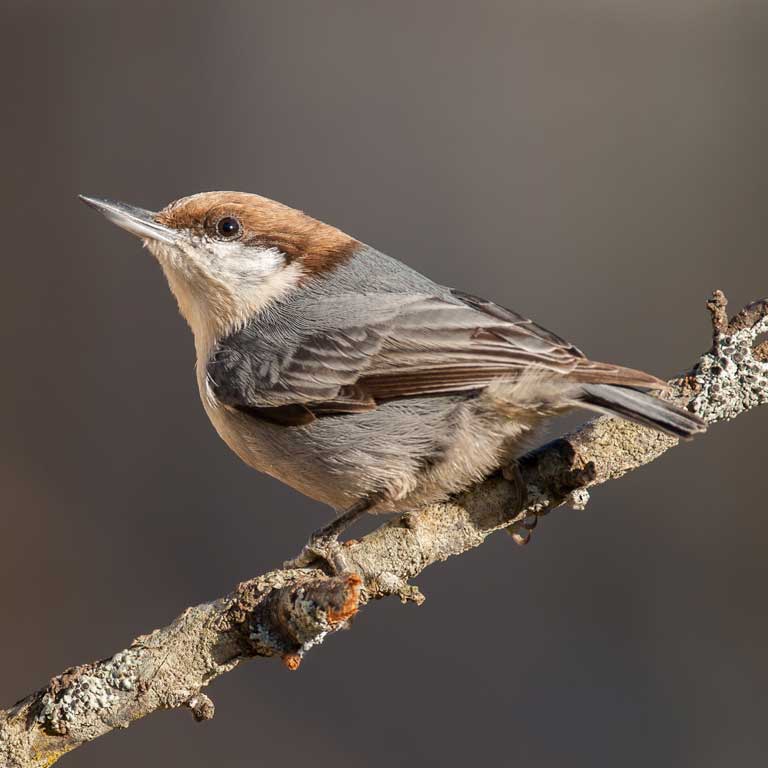
A premier birding site in Georgia’s Piedmont is Piedmont National Wildlife Refuge, offering some of the best Piedmont birding in the region, with its well-managed pine woodlands, rich stream bottomlands and scattering of fields. Resident Red-cockaded Woodpeckers and Bachman’s Sparrows top the long list of birds, rich in all seasons.
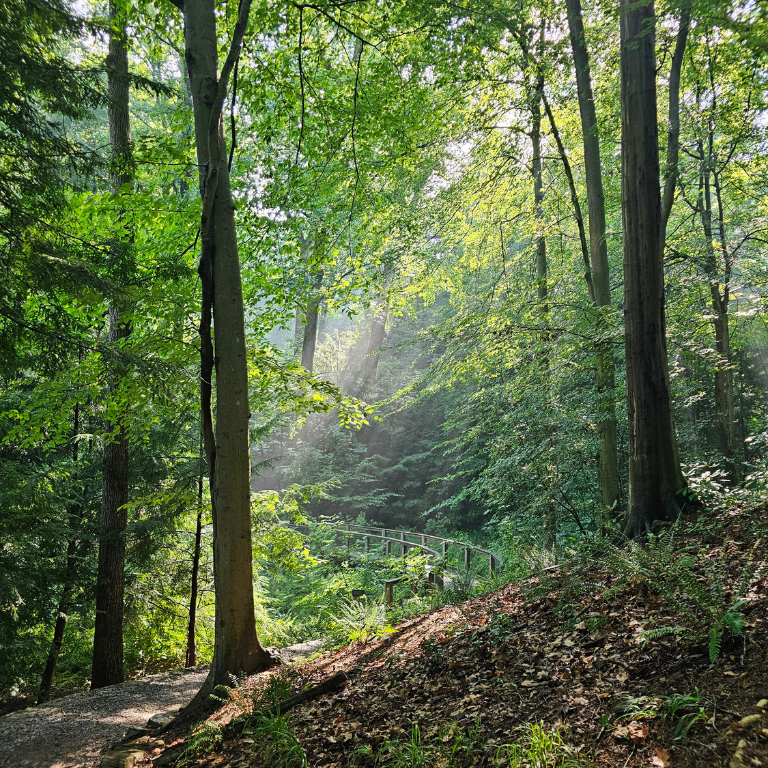
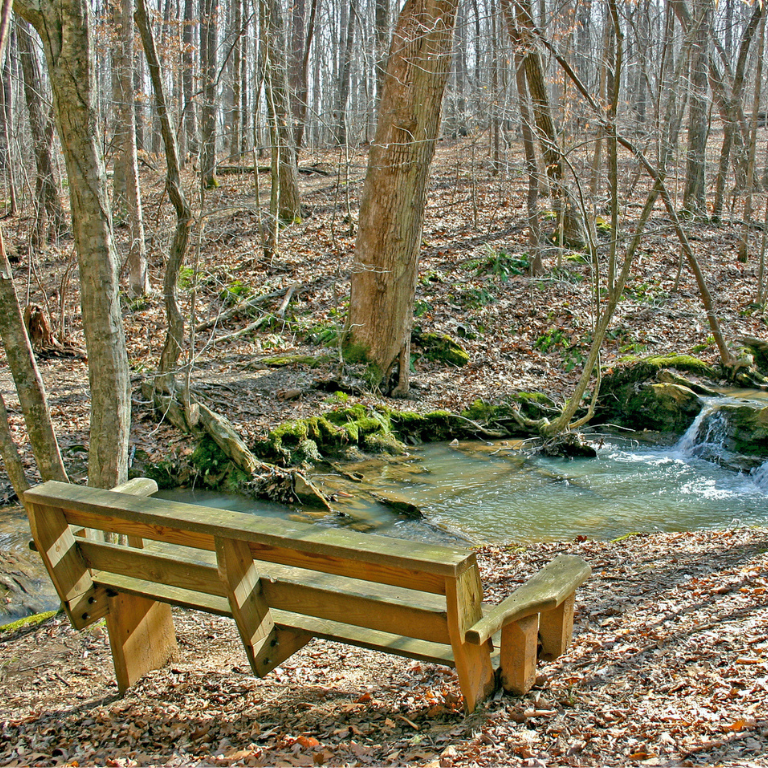
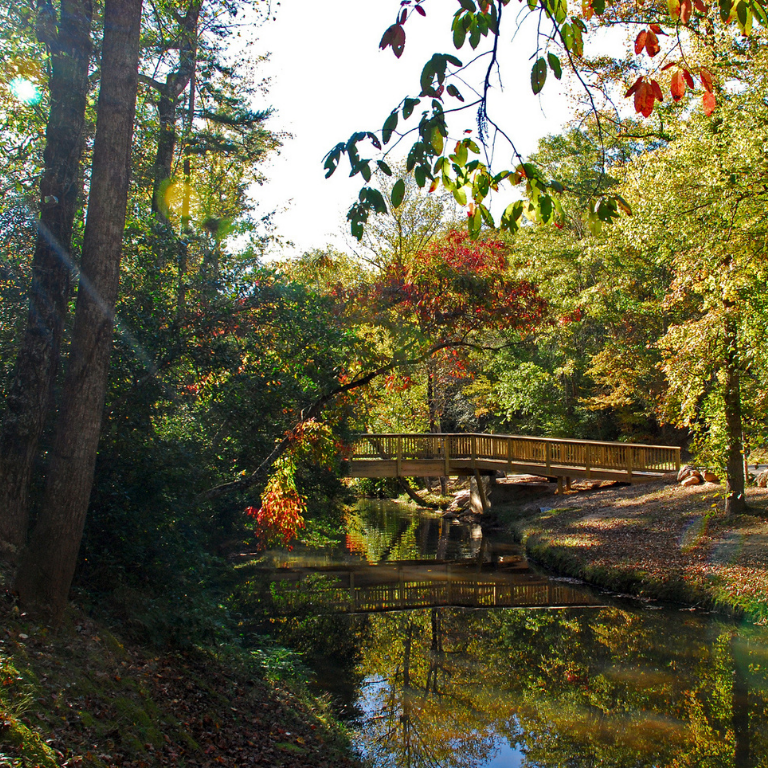
Formerly, the Piedmont would have been covered with forests consisting of oak and hickory trees. One of the very few stands of original forest remaining is located at Fernbank Forest in Atlanta. In this forest, pine trees are relatively uncommon, while Yellow Poplars make up 20 percent of the forest trees and are large, exceeding 20 inches in diameter. Other common trees include White oak, northern red oak, black oak, and post oak; along with several species of hickories (Pignut, mockernut, and bitternut).
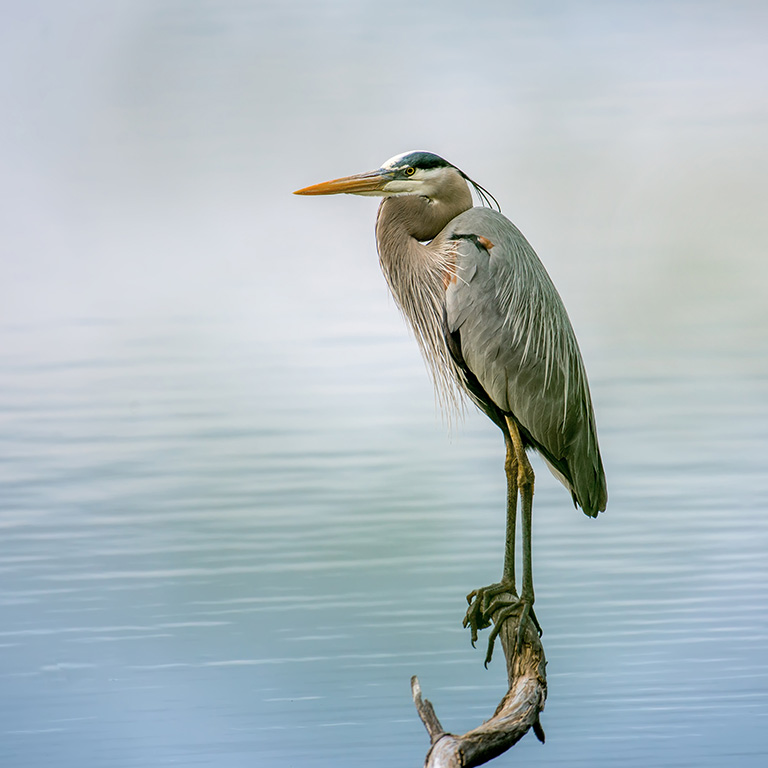
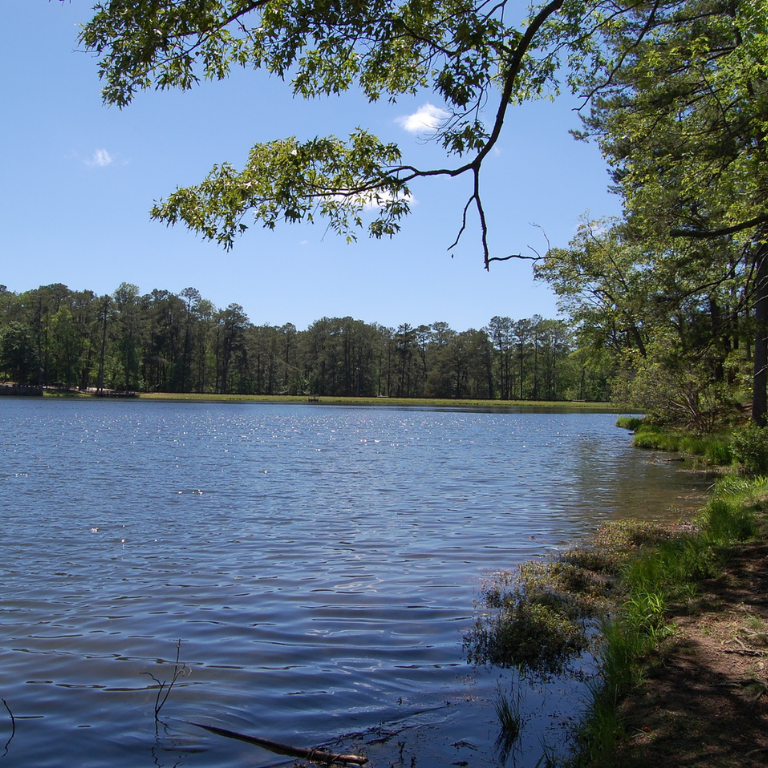
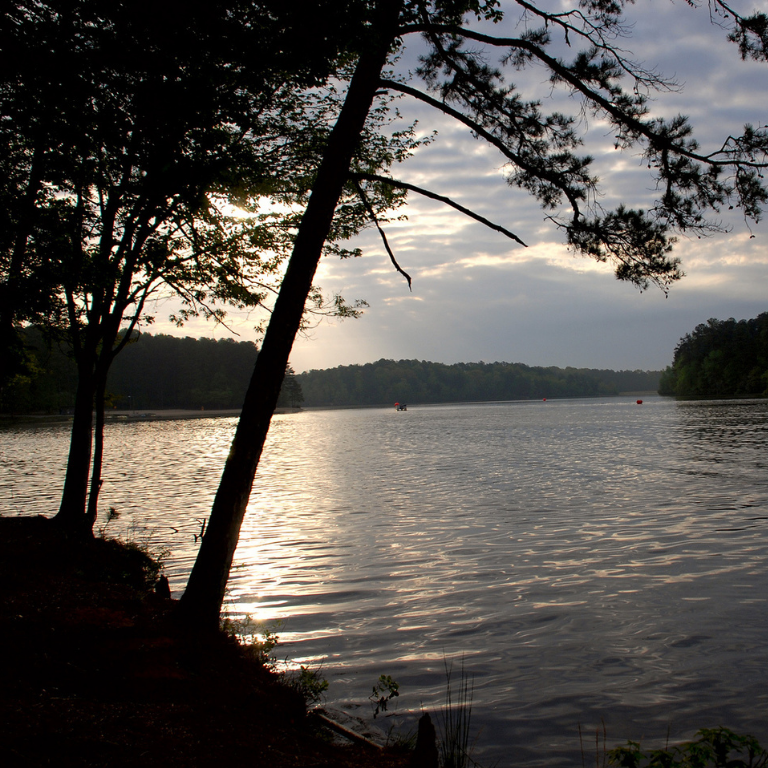
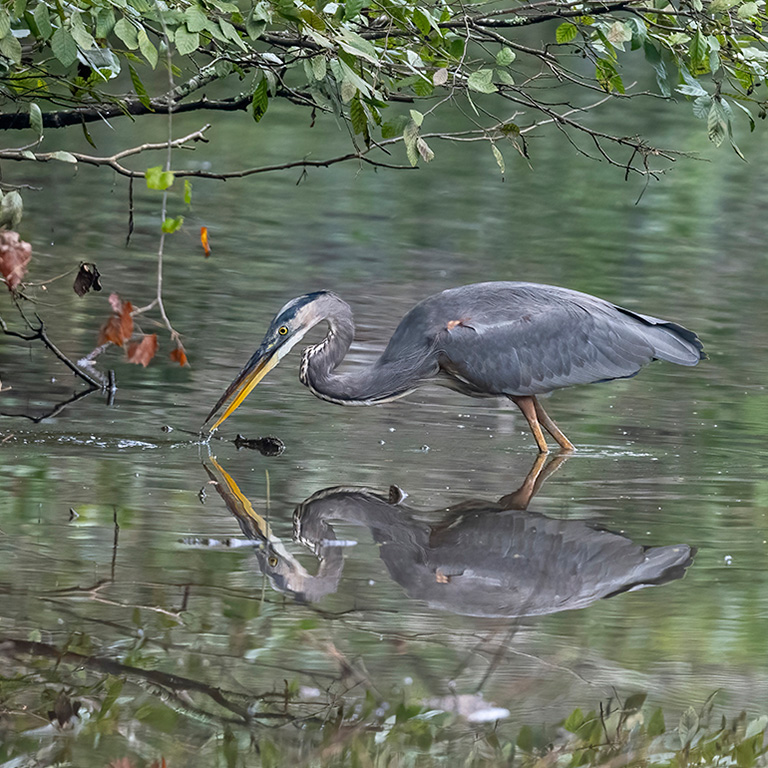
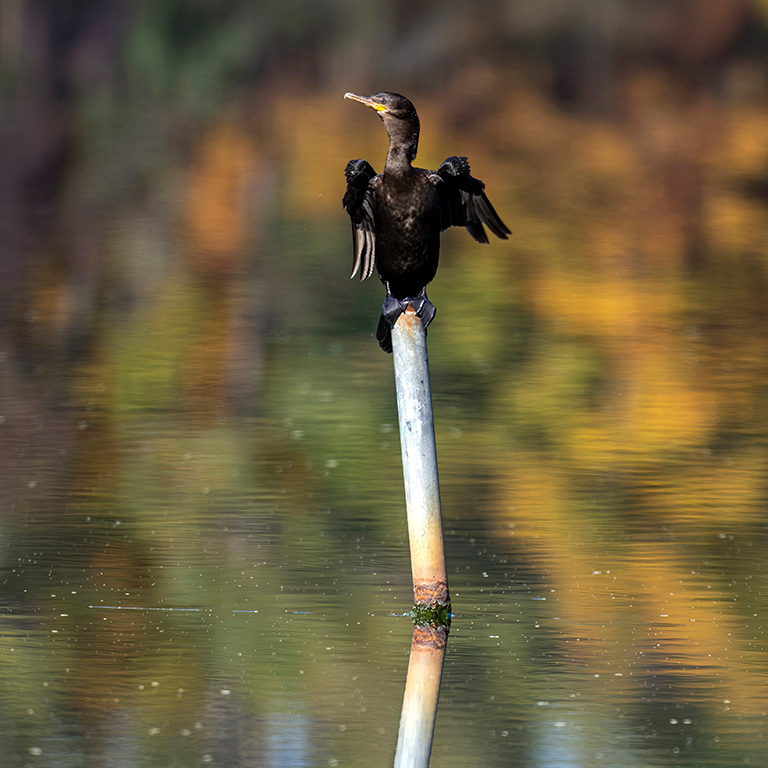
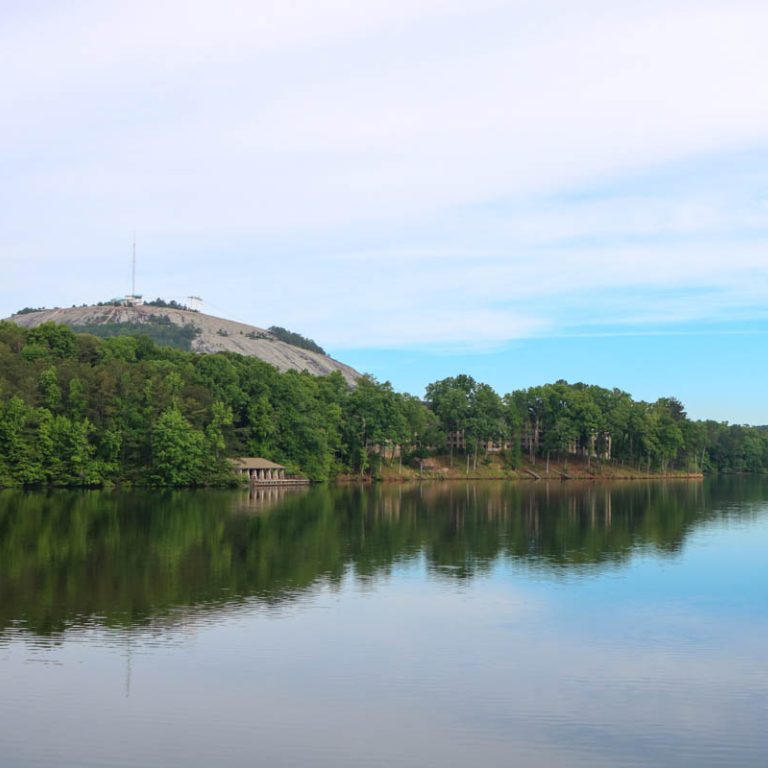
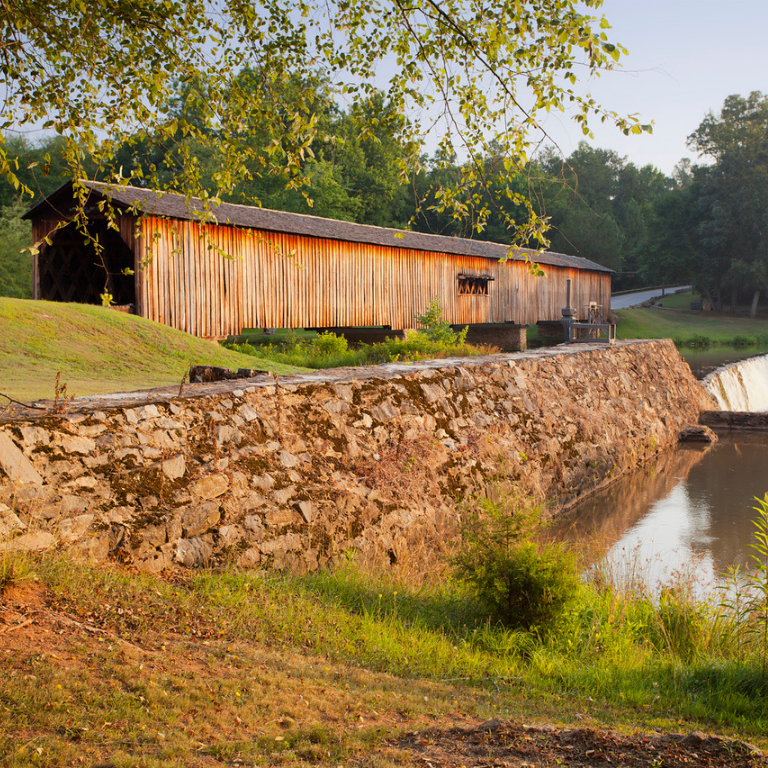
Other habitats in Georgia’s Piedmont region include several massive, prominent man-made reservoirs created for hydroelectric power, flood control, and recreation such as Lake Lanier, Lake Sinclair, and Lake Oconee. At these lakes, you may find more uncommon visitors to the interior of the state like Black Tern, and an abundance of waterfowl each winter. You are also likely to see numerous Osprey, Bald Eagle, and wading birds like the Great Blue Heron.
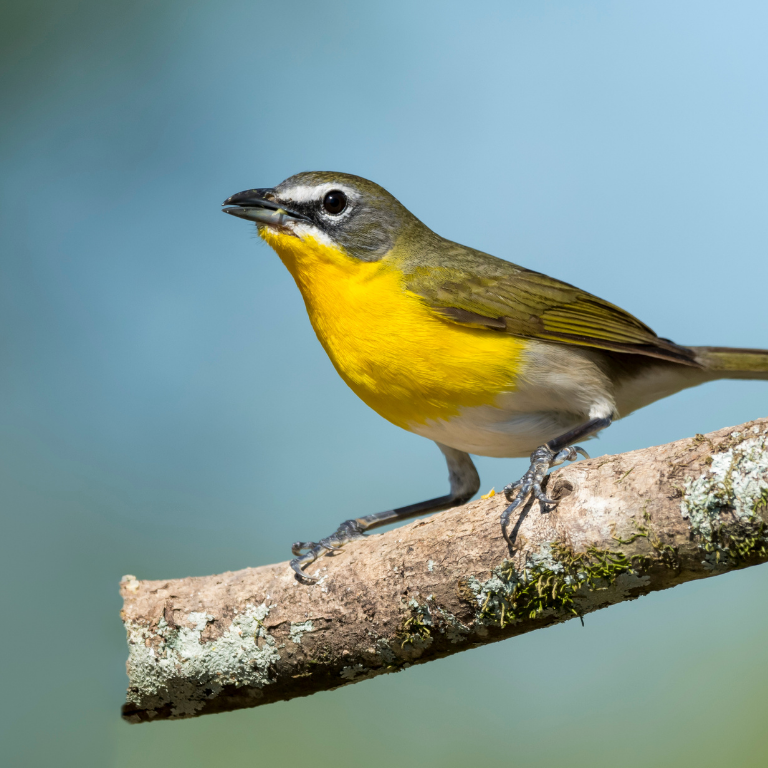
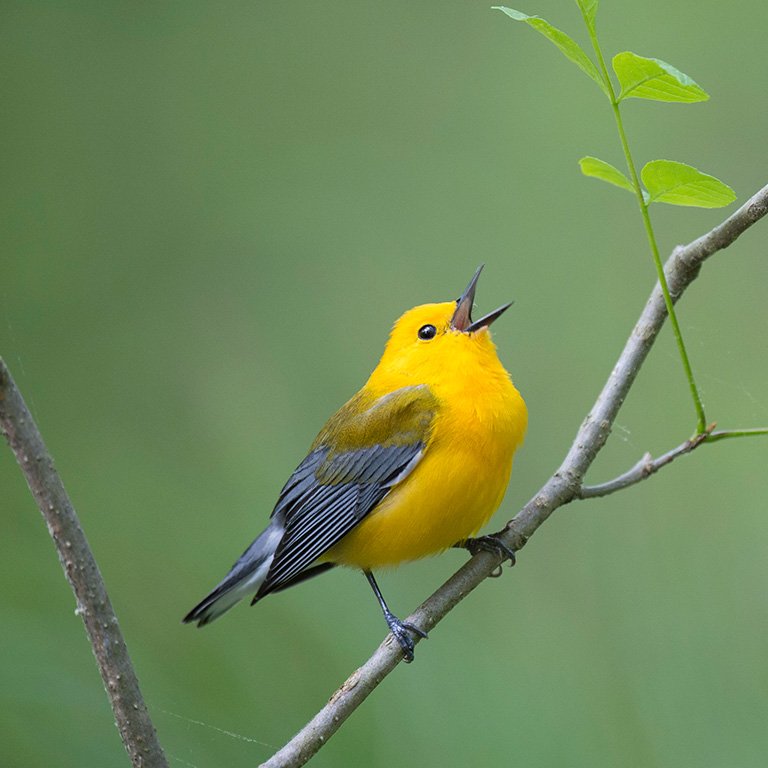
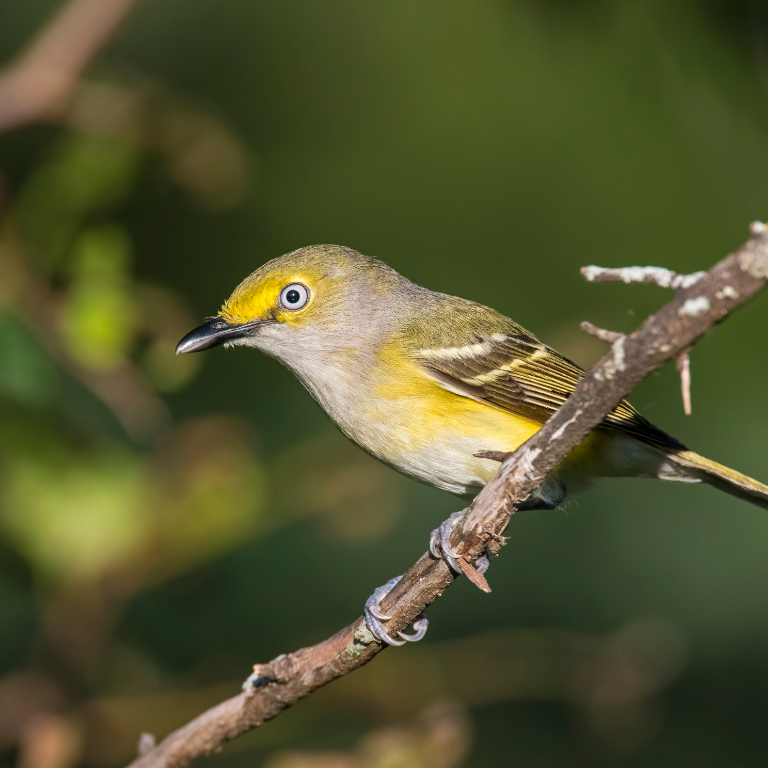
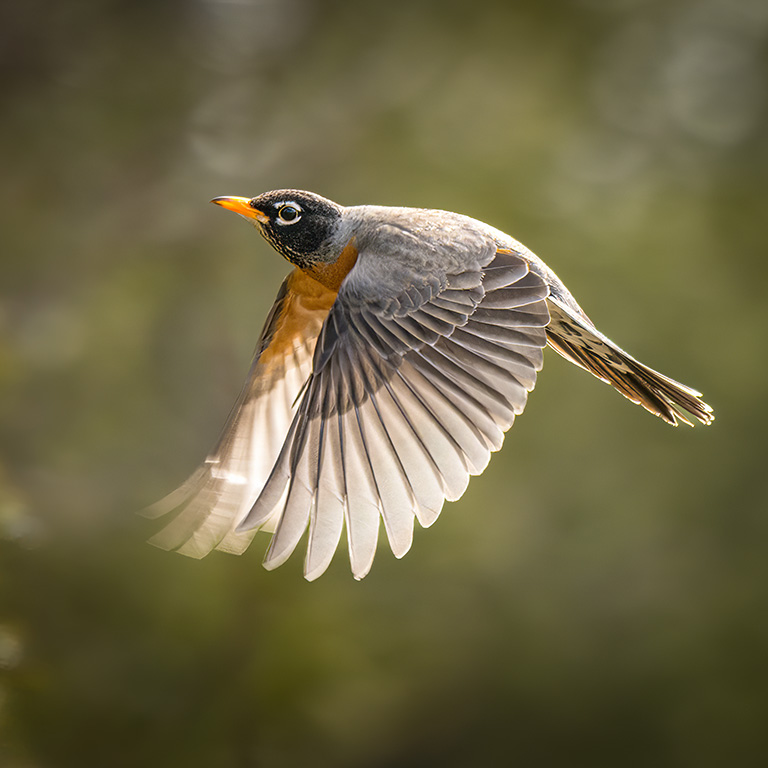
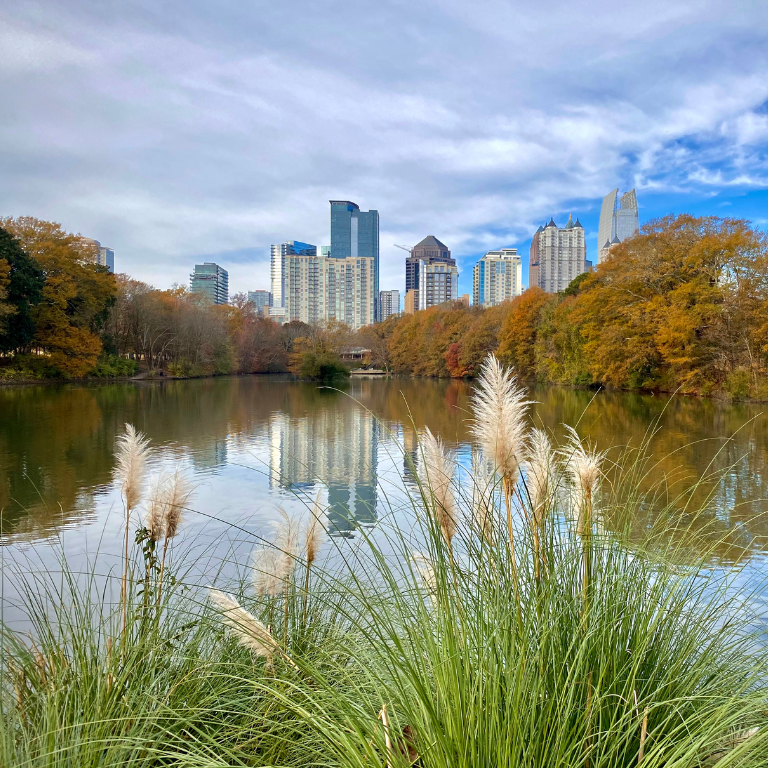
Urban birding is not to be discounted! Ample opportunities to birdwatch within the metro provide excellent diversity of resident and migratory species. Frequently birded sites like Piedmont Park offer the opportunity to see more than 180 species, including warblers, vireos, thrushes, and more.
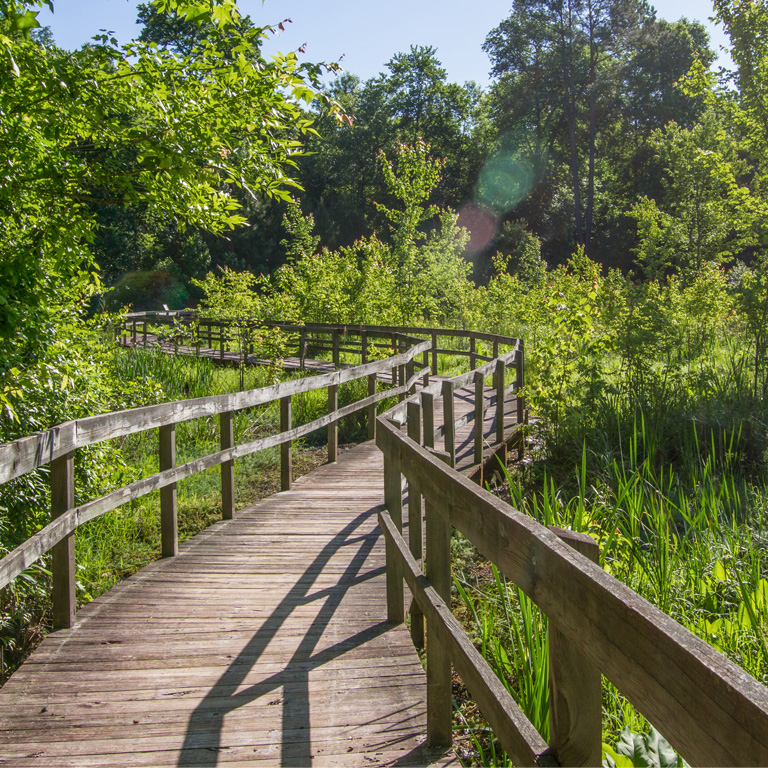
Unique sites like the Newman Wetlands Center and associated Clayton County-managed areas offer a glimpse into managing water and wetlands for both wildlife and people. Rare species like Limpkin are regularly spotted at Clayton County’s Shamrock and Blalock Reservoirs Recreation Area.